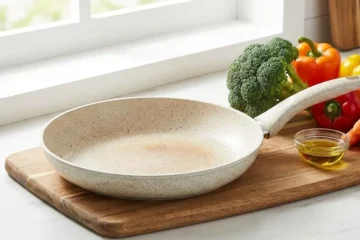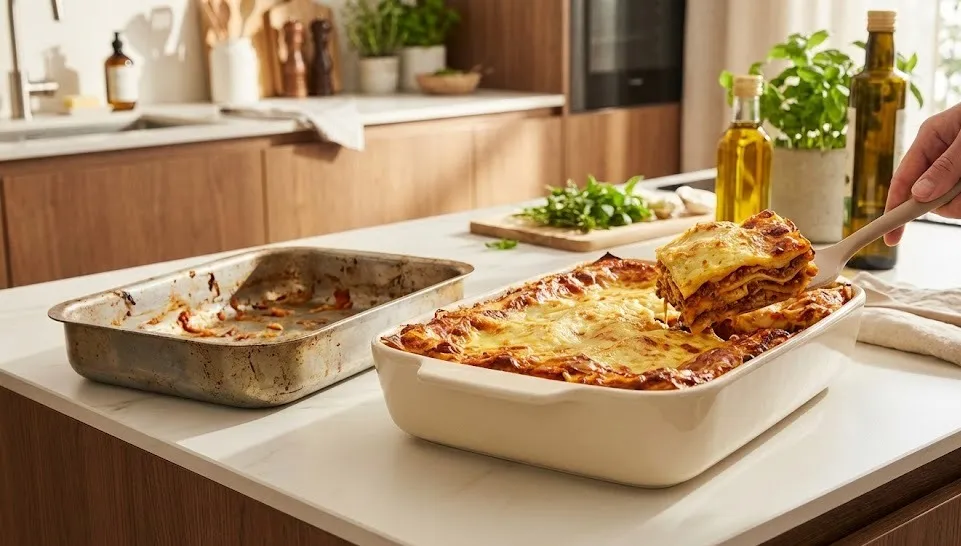
You spend hours measuring flour, whisking eggs, and waiting for the oven to preheat. The smell of fresh cake or lasagna fills the house, and you are ready to serve your masterpiece. But then, disaster strikes. You go to slice a piece, and half of it stays stuck to the bottom of the pan. You are left scraping burnt bits while your “perfect” dish looks like a crumbling mess.
If this sounds familiar, it might not be your cooking skills that are the problem, it’s likely your equipment.
Enter nonstick ceramic bakeware. This kitchen superhero has been gaining massive popularity in recent years, and for good reason. It promises the slick release of traditional Teflon but without the scary chemicals. It looks beautiful, cleans up in seconds, and cooks evenly.
But is it really worth the hype? In this guide, we will dive deep into everything you need to know about switching to nonstick ceramic bakeware, from the health benefits to how to keep it looking brand new.
What Exactly is Ceramic Bakeware?
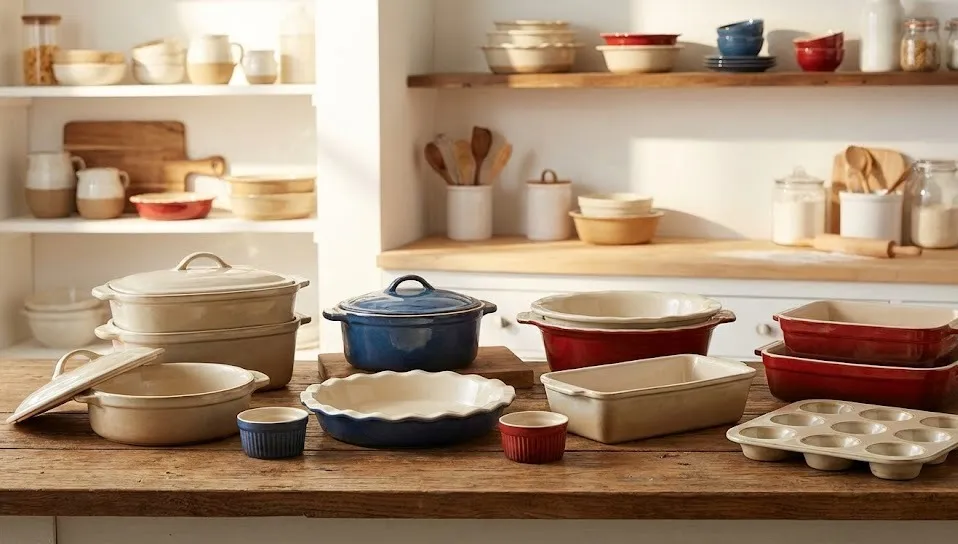
Before we get into the benefits, let’s clear up a common misconception. When we talk about nonstick ceramic bakeware, we aren’t usually talking about heavy, solid clay pots (like stoneware).
Modern ceramic bakeware is actually made of metal, usually aluminum or aluminized steel, that has been coated with a special ceramic layer. This coating is made from inorganic minerals, primarily silicon (sand), using a technology called “sol-gel.” When cured at high temperatures, it forms a hard, glossy, glass-like surface that is naturally slippery.
Because it is made from natural minerals, it offers a non-toxic alternative to traditional nonstick pans that often rely on synthetic plastics.
The Top Benefits of Switching to Ceramic

Why are home bakers and professional chefs alike making the switch? Here are the biggest advantages of using nonstick ceramic bakeware in your oven.
1. It is Non-Toxic and Safe
The biggest selling point for most people is health. Traditional nonstick pans have historically used chemicals like PFOA or PTFE (Teflon). While modern versions are safer, many people still worry about overheating them, which can release fumes.
Nonstick ceramic bakeware is free from PTFE, PFOA, lead, and cadmium. Even if you accidentally overheat your pan (which we don’t recommend!), it won’t release toxic fumes into your kitchen. It gives you peace of mind, especially if you are baking for kids or pets.
2. Incredible Nonstick Performance
There is something deeply satisfying about watching a batch of muffins slide right out of the tin without a struggle. High-quality ceramic coatings are incredibly slick. This means you can use less butter, oil, or cooking spray, making your baked goods slightly healthier without sacrificing texture.
3. Eye-Catching Aesthetics
traditional grey and black baking sheets are boring. Ceramic bakeware comes in a stunning array of colors, from pastel pinks and blues to vibrant reds and creams. They are pretty enough to go straight from the oven to the dining table for serving, which means one less dish to wash!
4. Efficient Heat Transfer
Because the core is usually made of aluminum, nonstick ceramic bakeware conducts heat very efficiently. Your cookies will brown evenly, and your casseroles will bubble perfectly in the corners and the center at the same time.
Ceramic vs. Traditional Nonstick: What’s the Difference?
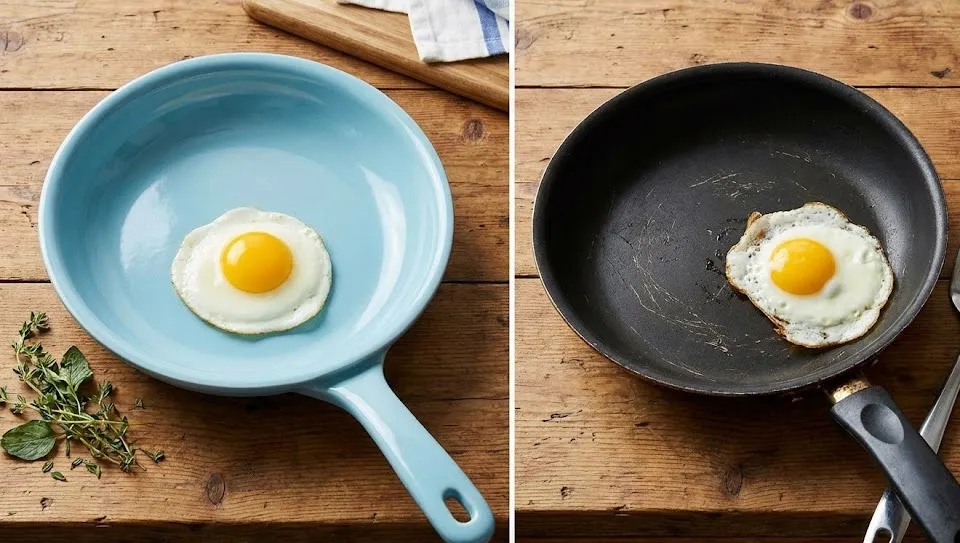
It can be confusing to choose between the two. Here is a quick breakdown to help you decide.
| Feature | Nonstick Ceramic Bakeware | Traditional (PTFE) Nonstick |
| Safety | Free of PTFE & PFOA (Non-toxic) | May release fumes over 500°F |
| Heat Tolerance | Generally high (up to 800°F sometimes) | Lower (usually up to 450°F-500°F) |
| Durability | Hard but can chip if dropped | Prone to scratching/peeling over time |
| Eco-Friendly | Production emits less CO2 | Manufacturing uses more chemicals |
| Oil Required | Minimal to none | Minimal |
How to Choose the Best Ceramic Bakeware Set
Not all pans are created equal. When you are shopping for nonstick ceramic bakeware, keep these factors in mind to ensure you get your money’s worth.
- Check the Core Material: Look for aluminized steel or heavy-gauge aluminum. These materials prevent the pan from warping (bending) when it gets hot. A warped pan leads to uneven cakes and cookies that slide into one another.
- Look for Reinforced Coatings: Some cheaper ceramic pans lose their nonstick ability quickly. Look for brands that advertise “diamond-reinforced” or multi-layer ceramic coatings for better longevity.
- Handle Design: If you are buying roasting pans or baking sheets, make sure the handles are grippy and large enough to hold while wearing thick oven mitts.
- Weight: A good pan should feel a little heavy. Extremely lightweight pans are often cheap and will heat up too fast, burning the bottom of your food before the middle is cooked.
The Golden Rules of Care: Making It Last
This is the most important section of this post. If you read reviews online, you will see people complaining that their ceramic pans stuck after a few months. This almost always happens because of improper care.
Nonstick ceramic bakeware is durable, but it isn’t invincible. Treat it right, and it will serve you for years.
1. Say No to Metal Utensils
Never, ever use a metal knife to cut brownies inside the pan, and don’t use metal spatulas to lift cookies. Metal will create tiny micro-scratches in the ceramic surface. Over time, these scratches destroy the nonstick properties. Always use silicone, wood, or nylon tools.
2. Hand Wash Only
Yes, the box might say “Dishwasher Safe.” Ignore it. Dishwasher detergents are very abrasive, and the high heat cycles can degrade the ceramic coating over time. Because the surface is so slippery, hand washing is incredibly easy anyway. Usually, a soft sponge and warm soapy water are all you need.
3. Avoid Cooking Sprays
This is a little-known secret. Aerosol cooking sprays (like Pam) often contain additives like soy lecithin that leave a sticky, gummy residue on ceramic surfaces. This residue builds up and actually causes food to stick later on. Instead, use a little bit of real butter or use a paper towel to rub a thin layer of olive oil on the pan.
4. Let It Cool Down
Never take a piping hot ceramic pan and plunge it into cold water. This “thermal shock” can cause the pan to warp or the coating to crack. Let your bakeware cool completely on the stove or a wire rack before washing it.
What Can You Bake in Ceramic?
The versatility of nonstick ceramic bakeware is fantastic. Here are a few things it handles beautifully:
- Sticky Buns and Cinnamon Rolls: The sugary glaze won’t cement itself to the pan.
- Delicate Fish: If you bake fish fillets, ceramic ensures the skin doesn’t tear when you lift it out.
- Vegetable Lasagna: The acidic tomato sauce won’t react with the ceramic surface (unlike cast iron or some bare metals), keeping the flavor pure.
- Egg Muffins: These are notorious for sticking to metal tins, but they pop right out of ceramic.
Conclusion
Upgrading your kitchen tools is one of the best ways to reignite your passion for cooking. Nonstick ceramic bakeware offers a perfect blend of safety, performance, and beauty. It takes the frustration out of baking, no more soaking pans overnight or chiseling off burnt crusts.
By choosing high-quality ceramic pans and treating them with a little extra care (remember: no metal utensils!), you are investing in healthier meals and an easier cleanup routine. Whether you are a professional pastry chef or just someone who loves making brownies on a Friday night, your kitchen deserves this colorful, non-toxic upgrade.
So, are you ready to toss those old, scratched-up metal sheets? Grab a set of nonstick ceramic bakeware and get baking!