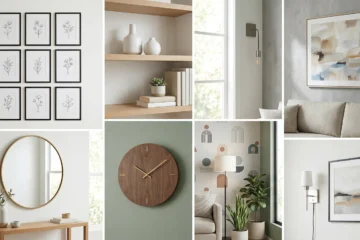
Your office is more than just a room, it’s the heart of your professional life. For executives, entrepreneurs, and leaders, the workspace reflects personality, status, and leadership style. The right executive office decor doesn’t just make the room look good; it sets the tone for productivity, focus, and confidence.
In today’s world of hybrid work and design-driven offices, having an inspiring workspace is a must. Whether you’re designing a private corporate office, a home executive workspace, or revamping your corner office, this guide will walk you through modern, functional, and aesthetic executive office decor ideas to transform your space.
Why Executive Office Decor Matters
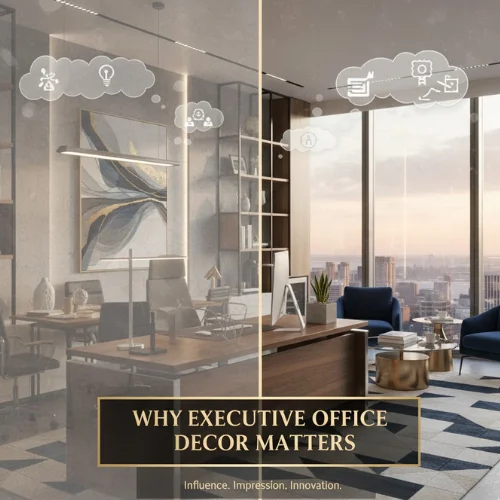
Your office is a visual representation of your brand, your leadership, and your mindset. Great decor can make a lasting impression on clients, motivate your team, and even improve your own mood and creativity.
Here’s why investing in the right executive office decor is worth it:
- First impressions count: Your office tells visitors who you are before you even speak.
- Boosts productivity: A well-designed office enhances focus and efficiency.
- Improves comfort: Ergonomic and aesthetic setups reduce stress and fatigue.
- Reflects professionalism: Executive decor communicates authority, confidence, and organization.
- Inspires creativity: Thoughtful decor encourages innovation and fresh ideas.
1. Choose a Design Style That Reflects You
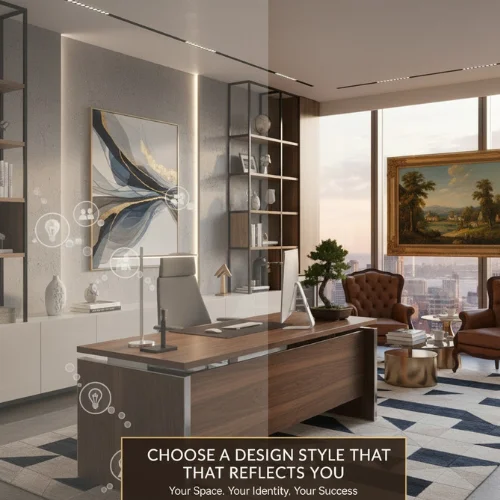
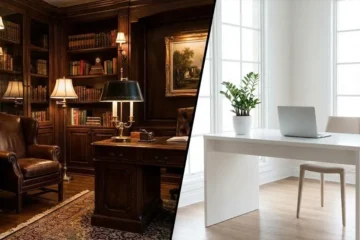
Every executive’s office should be unique, but having a consistent design theme brings harmony and balance. Here are some popular styles to consider for your executive office decor:
a. Modern Minimalist
Clean lines, neutral colors, and clutter-free surfaces define this style. Think sleek furniture, matte finishes, and strategic lighting. A minimalist office creates an atmosphere of calm and focus ideal for decision-makers.
Tips:
- Choose furniture with hidden storage.
- Stick to neutral colors like white, grey, beige, or black.
- Use minimal yet meaningful decor, like a sculpture or framed quote.
b. Classic Luxury
If you prefer a timeless executive aesthetic, go for rich wooden tones, leather furniture, and elegant detailing. This style exudes sophistication and authority.
Tips:
- Incorporate mahogany or walnut wood furniture.
- Add a leather armchair or sofa for an upscale touch.
- Use gold or brass accents for a luxurious finish.
c. Contemporary Chic
Perfect for creative leaders or modern professionals. This style blends innovation and personality, mixing textures, colors, and materials for a dynamic look.
Tips:
- Combine glass, metal, and fabric elements.
- Experiment with bold wall art or accent colors.
- Include modern lighting fixtures with geometric designs.
d. Industrial Executive Look
Inspired by lofts and urban offices, this decor style focuses on exposed brick walls, steel furniture, and raw finishes.
Tips:
- Use dark wood and matte black furniture.
- Add Edison bulbs or pendant lights.
- Keep the color palette muted, greys, browns, and blacks.
2. Select the Right Color Palette
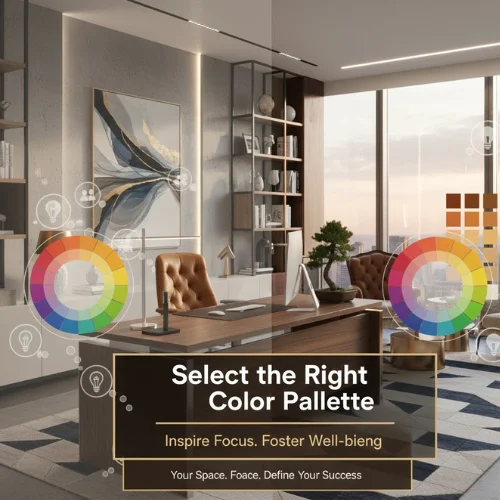
Colors influence emotions and productivity. The color scheme of your office can define its entire mood. Choose wisely to align with your work goals and personality.
Best Colors for Executive Offices:
- Blue: Promotes calmness, trust, and focus.
- Grey: Reflects sophistication and professionalism.
- White: Enhances clarity and minimalism.
- Brown/Wood tones: Brings warmth and authority.
- Black: Represents power and elegance (use sparingly).
- Green: Refreshing and promotes balance, great for long work hours.
Pro tip: Combine two or three complementary colors to keep the design balanced. For example, grey and walnut brown create a professional yet warm vibe.
3. Invest in Executive-Grade Furniture
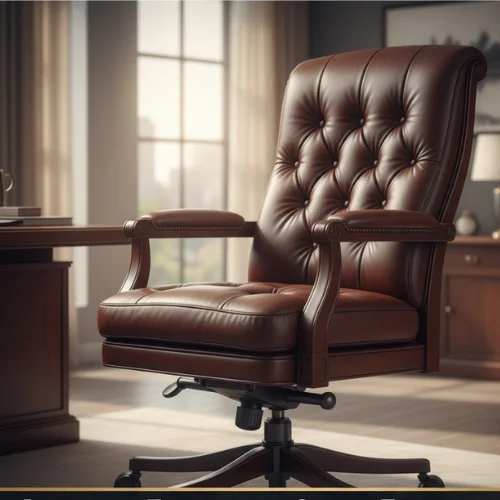
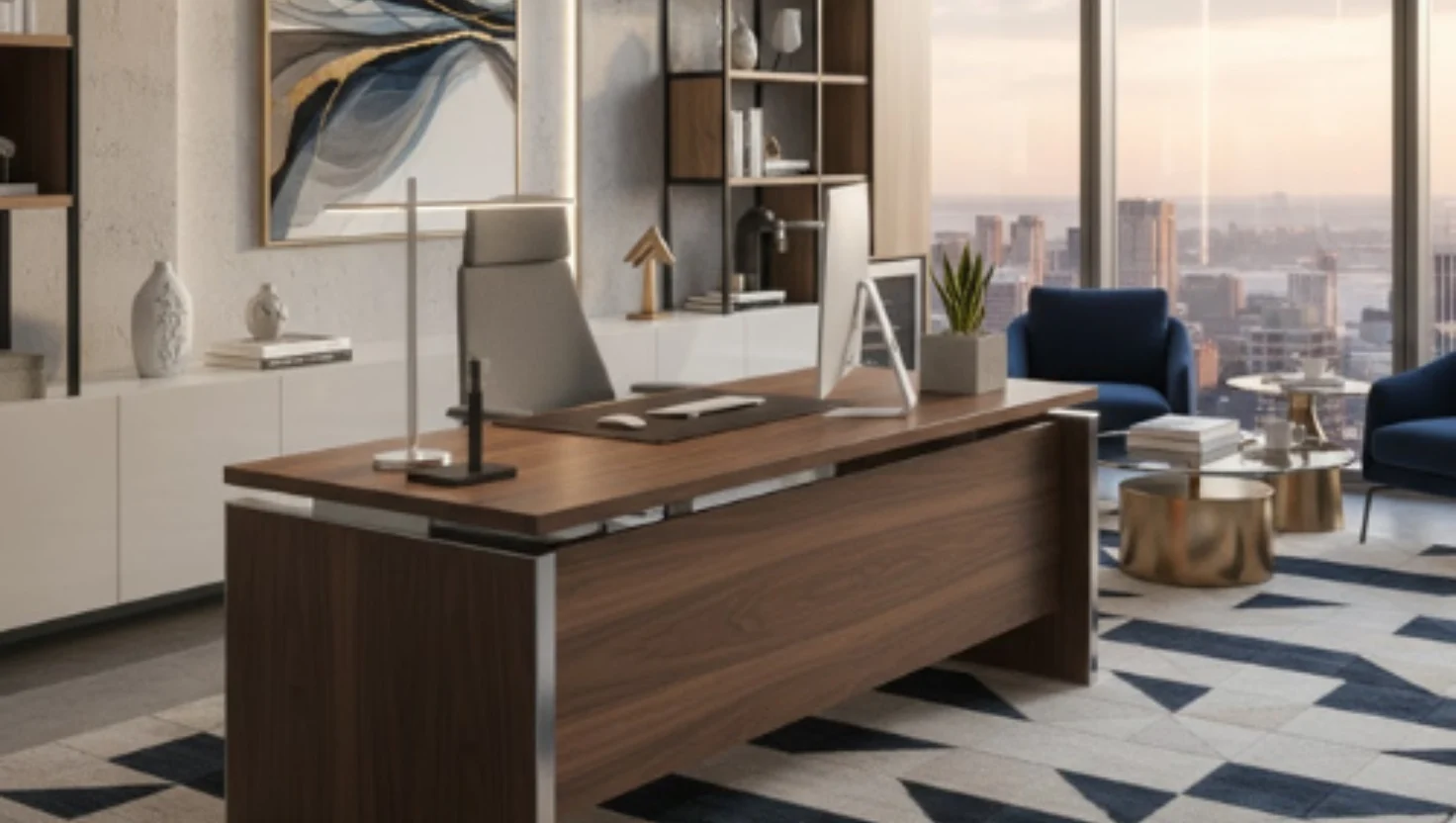
Furniture forms the foundation of your executive office decor. It must combine comfort, functionality, and style.
Essential Furniture Pieces:
- Executive Desk:
The centerpiece of your office. Choose one that’s spacious, durable, and visually commanding. L-shaped or U-shaped desks work well for executives. - Ergonomic Chair:
Comfort is key for long work hours. Go for a high-quality chair with lumbar support and adjustable features. - Meeting Table:
If your office hosts meetings, a small round or rectangular conference table enhances collaboration. - Storage Units:
Sleek cabinets, bookshelves, and file drawers help keep the office organized and clutter-free. - Guest Seating:
Comfortable chairs or a small sofa for clients or colleagues show hospitality and thoughtfulness.
Furniture Material Ideas:
- Solid wood for a traditional look
- Glass and metal for a modern touch
- Leather upholstery for executive luxury
4. Lighting That Inspires and Enhances Productivity
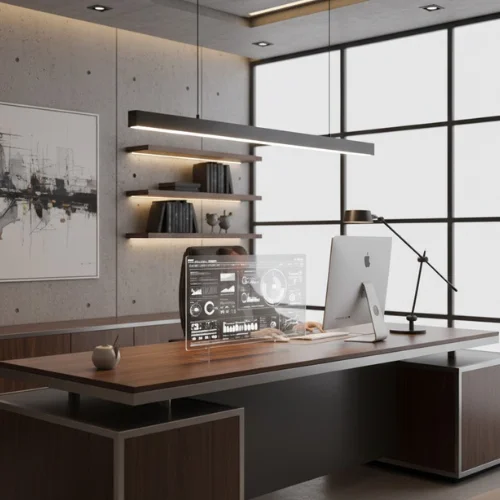
Lighting is often overlooked, yet it has a huge impact on mood and performance. The right lighting can make your office feel open, energetic, and inviting.
Lighting Tips for Executive Offices:
- Natural Light: Maximize daylight with open blinds and glass partitions.
- Ambient Lighting: Use ceiling lights or LED panels for even brightness.
- Task Lighting: Add a stylish desk lamp for focused work.
- Accent Lighting: Highlight artwork, bookshelves, or architectural elements with spotlights.
Consider smart lighting solutions that adjust brightness and color temperature throughout the day.
5. Add Personality with Wall Decor
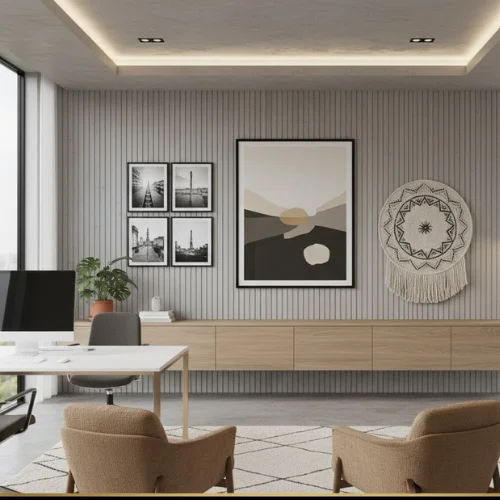
Walls are the perfect canvas to express creativity and personality. Empty walls can make your office feel dull, so give them life.
Wall Decor Ideas:
- Art Prints or Paintings: Choose pieces that resonate with your values or inspire motivation.
- Framed Achievements: Display awards, degrees, or certifications.
- Motivational Quotes: Elegant typography on canvas can energize the space.
- Wall Panels: Wooden or acoustic panels add texture and professionalism.
- Digital Displays: Use modern digital art frames that change visuals periodically.
Pro tip: Balance wall decor, don’t overcrowd. One statement piece can sometimes say more than a gallery wall.
6. Smart Use of Technology
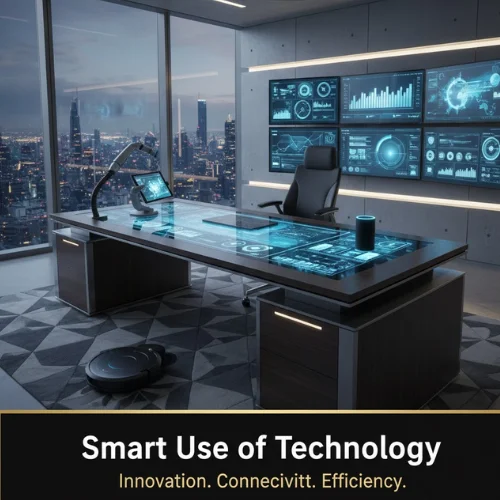
Modern executive offices integrate technology seamlessly. Smart devices not only improve productivity but also elevate the overall experience.
Smart Office Ideas:
- Wireless chargers built into desks.
- Voice-controlled lighting using Alexa or Google Assistant.
- Smart thermostats to maintain a comfortable environment.
- Cable management systems to keep desks clean.
- Dual-monitor setups for multitasking efficiency.
By blending tech with aesthetics, you get a workspace that’s both cutting-edge and clutter-free.
7. Create a Comfortable Lounge or Reading Corner
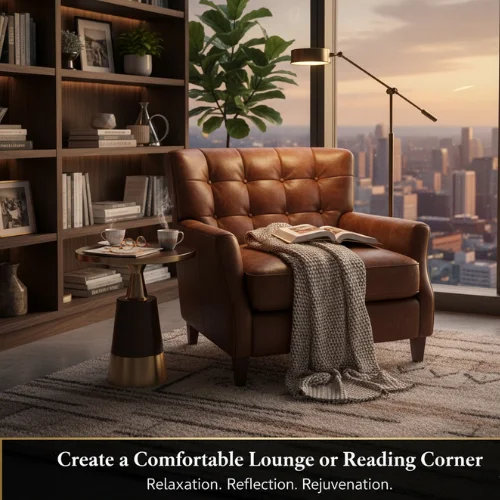
Executives often need moments to relax or reflect. A dedicated lounge area adds comfort and balance to your workday.
How to Create It:
- Add a cozy sofa or armchair.
- Include a small bookshelf with favorite titles.
- Keep a coffee table for refreshments or magazines.
- Place indoor plants nearby for a calming effect.
This space is perfect for informal meetings or taking short breaks between tasks.
8. Use Indoor Plants for a Natural Touch
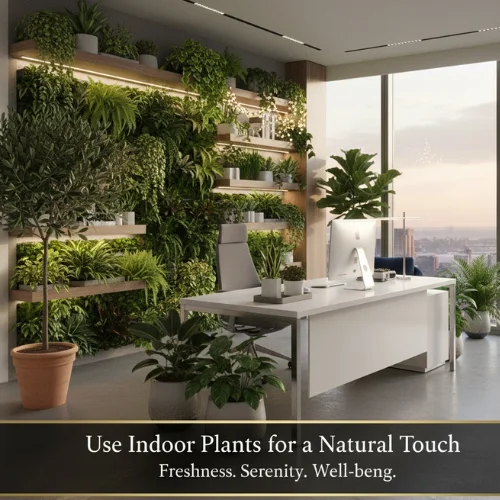
Nature-inspired decor is known to reduce stress and increase creativity. Bringing greenery into your office is a simple yet powerful design choice.
Best Plants for Executive Offices:
- Snake Plant (low maintenance)
- Peace Lily (air purifying)
- ZZ Plant (tolerates low light)
- Bonsai Tree (symbol of balance and patience)
- Monstera or Rubber Plant (modern aesthetic)
Use stylish ceramic or metal planters that match your decor style. A small indoor plant near the desk instantly adds freshness.
9. Organize Your Space Efficiently
A clutter-free office enhances productivity and peace of mind. Executive offices often deal with many documents, gadgets, and accessories, so organization is key.
Organization Tips:
- Use hidden storage in desks or cabinets.
- Label files clearly for quick access.
- Add floating shelves for books or decorative items.
- Keep wires and chargers neatly managed.
- Dedicate a drawer for personal items.
A well-organized office looks professional and helps you think clearly.
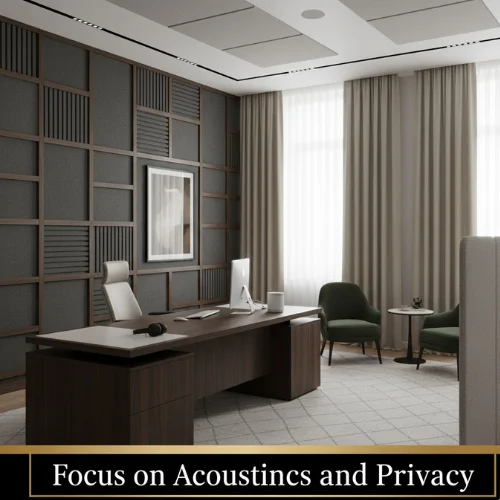
10. Focus on Acoustics and Privacy
Executives need quiet spaces to think, lead, and make decisions. Good acoustics can make your office more comfortable and professional.
How to Improve It:
- Add soft furnishings like rugs, curtains, or upholstered chairs.
- Use acoustic wall panels or soundproof partitions.
- Install a white noise machine if needed.
These details ensure your workspace supports focus and confidentiality.
11. Display Your Brand or Personal Identity
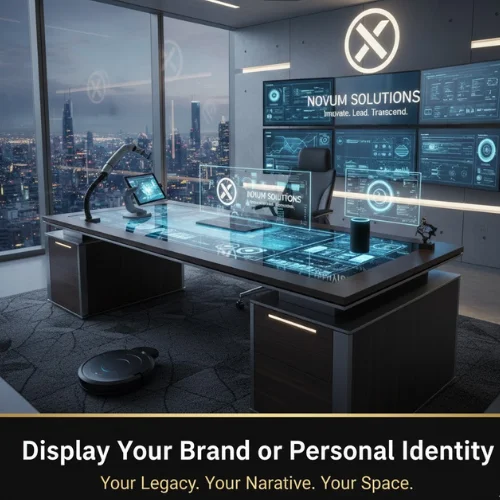
Your executive office can subtly represent your company’s culture or your personal brand. This helps create consistency and a sense of belonging.
Ideas:
- Display your company’s logo or mission statement.
- Use brand colors in small accents (pillows, folders, decor).
- Include symbolic items like awards, souvenirs, or custom artwork that tell your story.
It’s not just about aesthetics, it’s about identity.
12. Add Finishing Touches
Small details bring the decor together. These finishing touches make the office feel complete and well-thought-out.
Consider Adding:
- A premium rug under your desk
- Decorative clocks or sculptures
- A signature fragrance diffuser
- Personal photos in elegant frames
- A small coffee station or minibar
These personalized touches transform your office into a place where you enjoy spending time.
13. Executive Office Decor for Home Offices
If you work remotely or run your business from home, you can still have an elegant executive setup.
Tips for Home Executive Office Decor:
- Choose a quiet room with good natural light.
- Invest in a sturdy, stylish desk and ergonomic chair.
- Add statement decor pieces like a large wall art or bookshelf.
- Separate work and personal zones clearly.
- Keep cables and gadgets hidden for a clean look.
Even in a small space, thoughtful design can create an executive feel.
14. Common Mistakes to Avoid
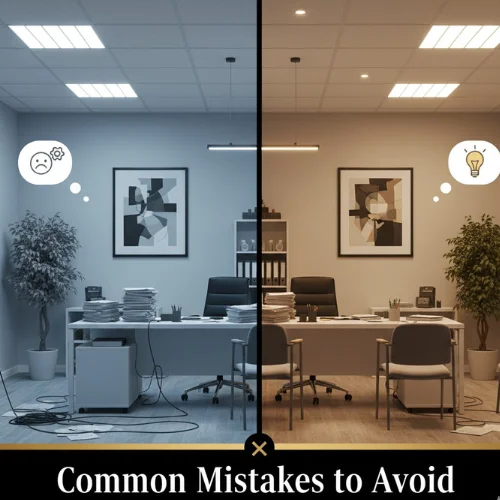
While decorating an executive office, avoid these common pitfalls:
Overcrowding the room with furniture
Poor lighting or heavy curtains blocking natural light
Using too many colors or loud patterns
Ignoring ergonomics for style
Cluttered desks with too many accessories
A successful executive office decor blends simplicity, elegance, and practicality.
Conclusion: Design a Space That Reflects Success
Your executive office is more than just a workspace, it’s a reflection of your mindset, leadership, and ambition. The right executive office decor helps you feel empowered, organized, and inspired every day.
From the furniture and lighting to wall art and plants, every detail matters. Whether you prefer a modern minimalist design or a classic luxury theme, the goal is to create a workspace where you can think, lead, and succeed confidently.
So start designing your dream office today, one that reflects who you are and where you’re headed.