Introduction: Design That Drives Success
The modern office isn’t just a place to work, it’s a reflection of your company’s culture, values, and energy. Great design can shape how employees feel, collaborate, and perform every day. When thinking about corporate office decor ideas, two elements stand out as truly transformative, furniture and layout.
These define how a workspace functions. The right office furniture brings comfort and organization, while a thoughtful layout encourages productivity and teamwork. Together, they create an environment where people feel inspired, focused, and connected.
Let’s explore how you can use furniture and layout design to create a workplace that looks amazing, feels comfortable, and performs efficiently.
The Importance of Furniture and Layout in Office Decor
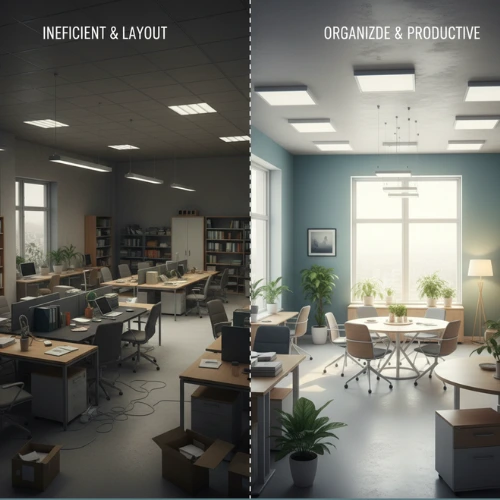
Office furniture isn’t just about desks and chairs, it’s about creating a system that supports human behavior and workflow. Similarly, your layout determines how people move, communicate, and focus.
In modern workplaces, design should promote:
- Comfort – Ergonomic furniture for physical well-being.
- Flexibility – Spaces that adapt to different needs.
- Collaboration – Layouts that encourage connection.
- Productivity – A flow that minimizes distractions.
- Aesthetics – A polished and professional look.
The key to effective corporate office decor ideas is balance, between functionality and style.
Choosing the Right Office Furniture
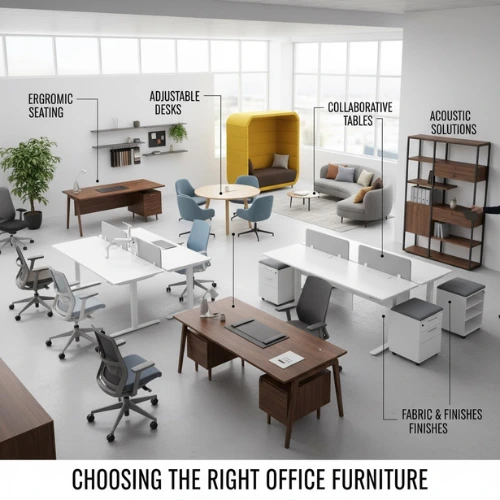
Furniture plays a major role in defining your workspace’s character. Whether you prefer minimalist elegance or vibrant creativity, each piece should serve both comfort and purpose.
1. Ergonomic Office Chairs
An ergonomic chair is an investment in your employees’ health and productivity. It supports posture, reduces back pain, and keeps people comfortable for long hours.
Features to look for:
- Adjustable height and armrests
- Lumbar (lower back) support
- Breathable mesh backrest
- Smooth swivel and caster wheels
Pro Tip:
Choose chairs in neutral tones like grey, black, or beige for a timeless look, or go bold with accent colors in creative departments.
2. Desks That Fit Every Task
From individual workstations to shared tables, desk design should align with your office’s workflow.
Popular desk options:
- Executive Desks: Spacious and stylish, ideal for managerial offices.
- Standing Desks: Promote health and energy by allowing users to alternate between sitting and standing.
- Modular Desks: Easily reconfigurable for teams that change setups frequently.
- Collaborative Tables: Large tables for brainstorming sessions or group projects.
Design Tip:
Keep desk surfaces clutter-free. Use cable organizers and built-in drawers to maintain a sleek, professional appearance.
3. Storage Solutions
Clutter can destroy the beauty and efficiency of any workspace. Smart storage solutions help maintain a clean, minimal environment.
Ideas for modern offices:
- Floating shelves for a light, open feel.
- Filing cabinets that double as decor pieces.
- Under-desk drawers for personal items.
- Wall-mounted organizers or pegboards for easy access.
Bonus Tip:
Choose storage with finishes that match your office furniture, wood, metal, or matte black designs for cohesive style.
4. Conference Room Furniture
Conference rooms are where big ideas are shared and decisions are made. The furniture should be both impressive and functional.
Essentials include:
- A large, elegant meeting table (round or rectangular).
- Comfortable, uniform chairs that encourage long discussions.
- Power outlets or wireless charging ports built into the table.
- Integrated cable management for presentations.
Design Note:
Add accent lighting or a statement wall behind the conference table to create a focal point.
5. Lounge and Break Room Furniture
Breakout areas are just as important as workstations. They offer employees space to relax, recharge, and socialize.
Furnishing tips:
- Soft sofas or lounge chairs for comfort.
- Coffee tables with storage for magazines or plants.
- Bar stools and counters for casual meetings.
- Beanbags or recliners for creative teams.
Style Tip:
Use bright, cheerful colors and cozy textures to make break rooms inviting and energizing.
6. Reception Area Design
The reception area is your company’s first impression. It should represent professionalism and warmth.
Ideas:
- Sleek reception desks with hidden storage.
- Comfortable visitor seating (e.g., armchairs or couches).
- Accent walls with your logo or company colors.
- Minimal clutter with decorative touches like plants or lamps.
Lighting Tip:
Use soft, warm lighting here to make guests feel welcome and relaxed.
Planning the Perfect Office Layout
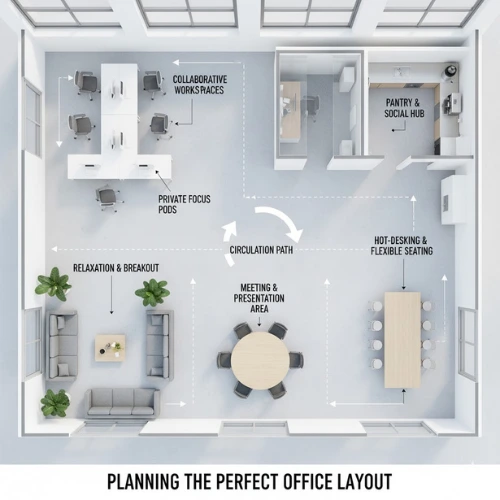
Once you’ve chosen your furniture, the next step is to plan an efficient office layout. A good layout maximizes space, supports teamwork, and allows employees to focus comfortably.
1. Open Office Layout
Open layouts are popular in modern corporate design because they encourage collaboration and flexibility.
Advantages:
- Better communication and teamwork
- Shared energy and creativity
- Easier to reconfigure spaces
Design tips:
- Use modular desks or shared tables.
- Divide areas with low partitions or planters for privacy.
- Ensure adequate noise control with carpets or sound panels.
2. Private or Semi-Private Layout
Not every office thrives in an open setting. Private layouts work best for roles that need concentration or confidentiality (like HR, finance, or leadership).
Ideas:
- Enclosed offices with glass walls for transparency.
- Quiet zones for deep focus.
- Designate team “pods” with flexible furniture arrangements.
Balance tip:
Blend both open and private layouts for maximum versatility, this is known as a hybrid office design.
3. Collaborative Zones
Modern work culture thrives on collaboration. Dedicated zones for brainstorming or teamwork make communication effortless.
Decor ideas:
- Use colorful furniture to spark creativity.
- Round tables or sectional seating arrangements.
- Writable whiteboard walls for visual thinking.
- Soft lighting and movable furniture for flexibility.
Pro Tip:
Install movable partitions to easily reconfigure spaces based on projects or team size.
4. Flow and Movement
An office layout should allow easy movement and logical flow from one area to another.
Layout rules:
- Keep main walkways clear of obstructions.
- Ensure direct access to meeting rooms and lounges.
- Place printers, water coolers, and other shared amenities in central areas.
- Leave enough space between desks for comfort and privacy.
Design Insight:
Flow matters as much as furniture. A well-planned layout can make even a small space feel open and efficient.
5. Zoning with Furniture and Decor
Instead of building walls, use furniture to define different zones, it’s more flexible and visually appealing.
Examples:
- Bookshelves or storage units as dividers.
- Sofas and rugs to create informal meeting zones.
- Tall plants or screens to mark quiet areas.
Style Tip:
Keep color consistency between zones to maintain a unified corporate look.
Office Furniture Styles and Aesthetics
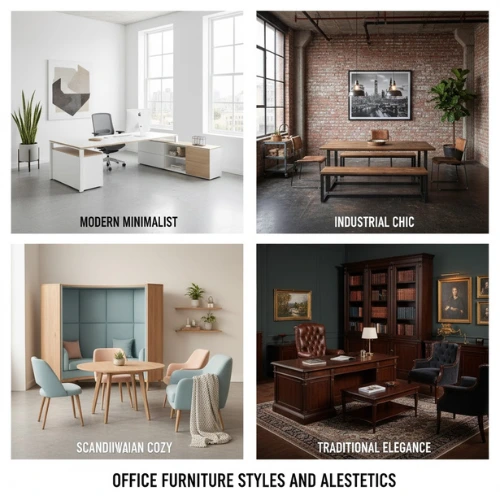
Every corporate brand has its own personality, and your office furniture should reflect it. Here are some popular styles to consider:
1. Modern Minimalist
- Clean lines and neutral colors.
- Sleek metal or glass finishes.
- Open spaces with uncluttered desks.
Perfect for tech companies or startups that value simplicity and focus.
2. Industrial Chic
- Raw materials like brick, metal, and reclaimed wood.
- Exposed ceilings and vintage light fixtures.
- Sturdy, functional furniture with character.
Ideal for creative agencies or companies wanting a bold, urban vibe.
3. Scandinavian Comfort
- Light wood tones, soft fabrics, and natural light.
- Simple yet warm furniture.
- Focus on functionality with aesthetic harmony.
This style creates calm and inviting spaces, perfect for promoting well-being.
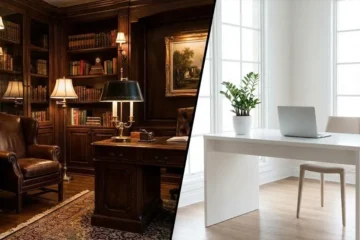
4. Classic Corporate Elegance
- Solid wood furniture and leather seating.
- Rich, dark tones with subtle lighting.
- Traditional design that conveys stability and professionalism.
Best suited for law firms, finance companies, or executive offices.
Ergonomics and Employee Well-Being
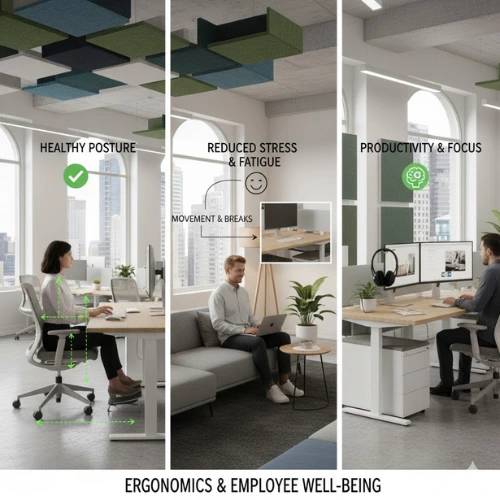
A beautiful office means little if it’s uncomfortable. Ergonomic design ensures employees stay healthy, focused, and happy.
Ergonomic essentials:
- Adjustable desks and chairs.
- Monitor stands for proper eye level.
- Footrests and wrist supports.
- Anti-fatigue mats for standing desks.
Well-being tip:
Encourage micro-breaks and movement between zones to prevent fatigue and boost mental clarity.
Space-Saving and Compact Layout Ideas
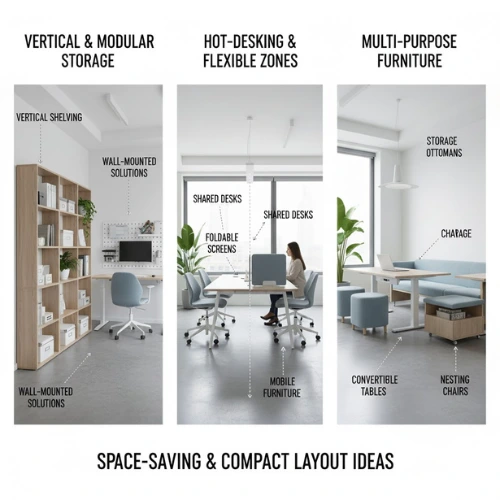
For smaller offices, creative planning can make a huge difference.
Smart solutions:
- Use vertical shelving to free up floor space.
- Choose multi-functional furniture (e.g., storage benches).
- Opt for foldable or nesting tables.
- Add mirrors to make areas appear larger.
Even a small office can look spacious with the right furniture and layout.
Technology Integration in Modern Office Design
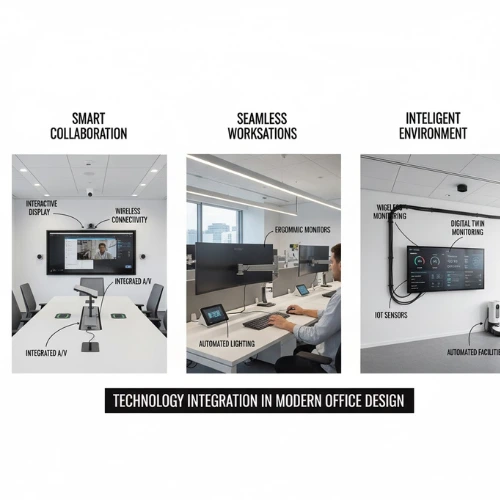
Furniture and layout today are incomplete without considering technology.
Integration ideas:
- Built-in charging ports in desks and tables.
- Cable management channels for clean setups.
- Wireless presentation systems in meeting rooms.
- Smart desks that adjust height automatically.
This blend of design and tech enhances both efficiency and visual appeal.
Brand Identity Through Furniture and Layout
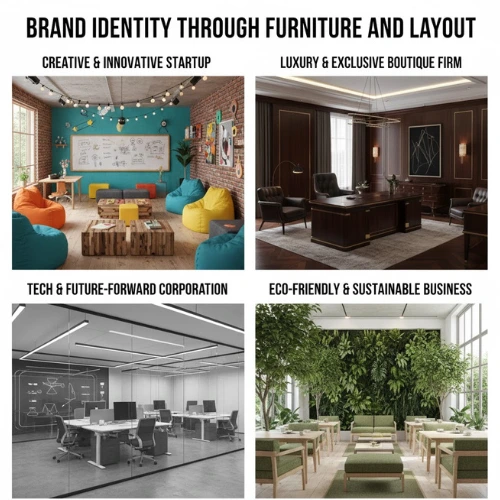
Every decor choice — from chairs to floor plans — reflects your brand’s culture.
Examples:
- A creative agency might use colorful, open spaces.
- A corporate law firm may prefer classic wooden interiors.
- A wellness company could emphasize natural materials and open light.
Tip:
Use your brand’s colors subtly in upholstery, rugs, or accent furniture to strengthen visual identity.
Future Trends in Office Furniture and Layout
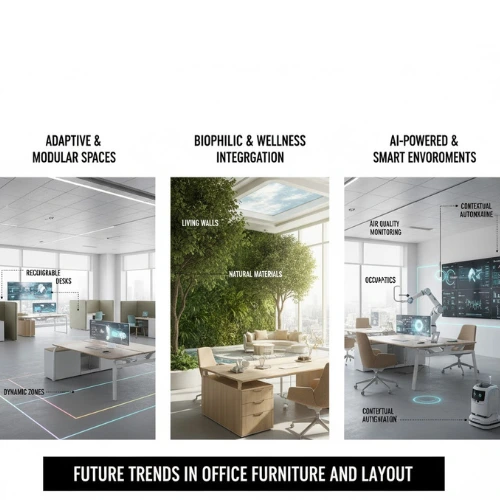
Workspaces are evolving with technology and employee expectations. The next generation of corporate office decor ideas focuses on adaptability and sustainability.
Emerging trends:
- Modular furniture: Easy to move and reconfigure.
- Biophilic design: Integrating natural elements for calm and focus.
- Sustainable materials: Bamboo, recycled metal, or eco-fabric.
- Flexible layouts: Adaptable spaces for hybrid work cultures.
The future is about creating spaces that grow with your team’s needs.
Common Mistakes to Avoid
Even with the best intentions, office design can go wrong. Avoid these pitfalls:
- Overcrowding with too much furniture.
- Ignoring ergonomic comfort.
- Poor lighting and ventilation.
- Inconsistent design style.
- Lack of flexibility for future growth.
Pro Tip:
Always design for scalability, choose furniture and layouts that can evolve with your business.
Conclusion: Design a Workspace That Works
When it comes to corporate office decor ideas, furniture and layout are the backbone of functionality and aesthetics. They define how people interact, move, and feel throughout the day.
A well-designed office with ergonomic furniture and a balanced layout not only looks appealing but also boosts morale, productivity, and creativity.
Whether you’re setting up a new office or redesigning an old one, remember: good design isn’t just about style, it’s about creating an environment where people love to work.
Your workspace should tell your company’s story one desk, one layout, one idea at a time.