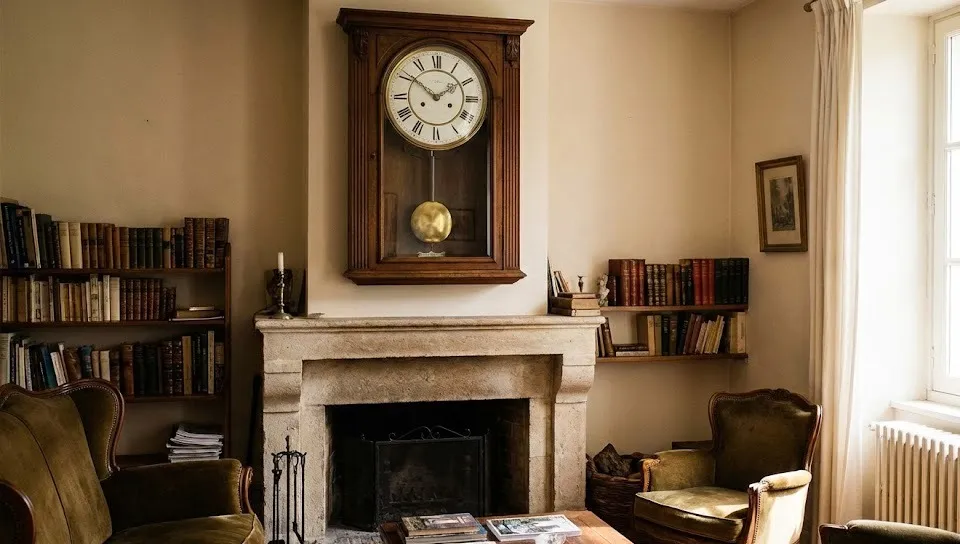
in today’s world, we are surrounded by digital screens. The time is on our phones, our laptops, our microwaves, and even our wrists. Yet, despite this digital overload, there is something undeniably magical about the rhythmic tick-tock of a mechanical timepiece. This is exactly why vintage wall clocks are making such a massive comeback in interior design.
They aren’t just tools to tell time; they are storytellers. Whether it’s a rustic wooden piece that looks like it hung in a French farmhouse or a sleek metal design from the 1960s, a vintage clock adds a soul to your home that a digital display simply can’t match.
If you have been thinking about adding a touch of nostalgia to your space, you are in the right place. In this guide, we will explore why these timepieces are so special, how to choose the right one, and the best ways to style them in your modern home.
Why We Love Vintage Wall Clocks
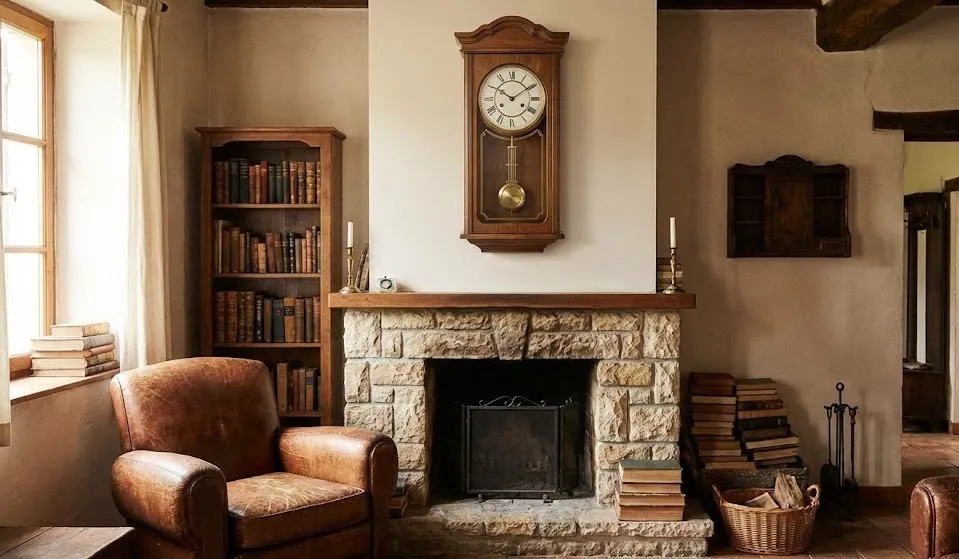
What is it about old things that captures our hearts? When it comes to vintage wall clocks, it usually boils down to three main factors: craftsmanship, nostalgia, and versatility.
- Superior Craftsmanship: Unlike many mass-produced plastic items today, older clocks were often built to last for generations. They feature solid wood, brass gears, and glass faces.
- Instant Character: Hanging a vintage piece on a plain wall instantly creates a focal point. It breaks the monotony of modern minimalism.
- Nostalgia: For many, these clocks remind them of their grandparents’ house or a simpler time, bringing a sense of comfort and warmth to a room.
Popular Styles of Vintage Wall Clocks
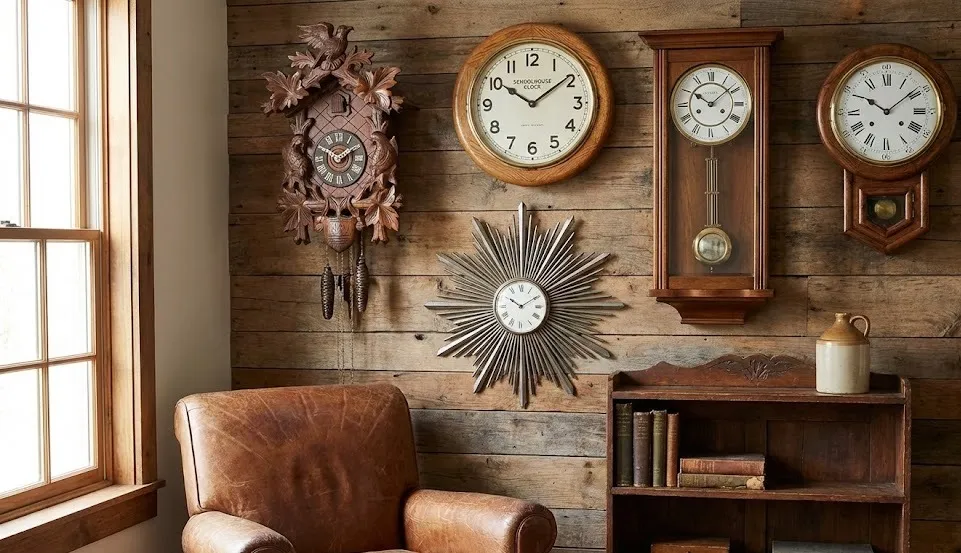
The term “vintage” covers a massive range of eras and styles. Before you buy, it helps to know what “look” you are actually hunting for. Here are the most popular categories you will find on the market.
1. Mid-Century Modern (The 1950s & 60s)
If you love clean lines and geometric shapes, this is the style for you. Mid-century vintage wall clocks often feature “starburst” or “sunburst” designs. They use materials like teak wood and brass spikes. These are perfect for adding a retro-futuristic vibe to a living room.
2. The Industrial Station Clock
Inspired by the large clocks found in old train stations and factories, these are usually round with bold numbers and sturdy metal frames (often black or galvanized steel). They look incredible in kitchens, lofts, or home offices where you want a bit of an edgy, utilitarian feel.
3. Antique Schoolhouse Regulators
You have probably seen these before. They are usually octagonal or round, framed in dark oak or mahogany, with a pendulum box hanging below. These classics bring a sense of history and academic charm to entryways and libraries.
4. Rustic Farmhouse
These are often wooden, perhaps with worn paint or a distressed finish. They might not have a glass cover, leaving the aged hands exposed. If your home features a lot of whites, creams, and natural woods, a rustic clock fits right in.
How to Choose the Perfect Vintage Clock
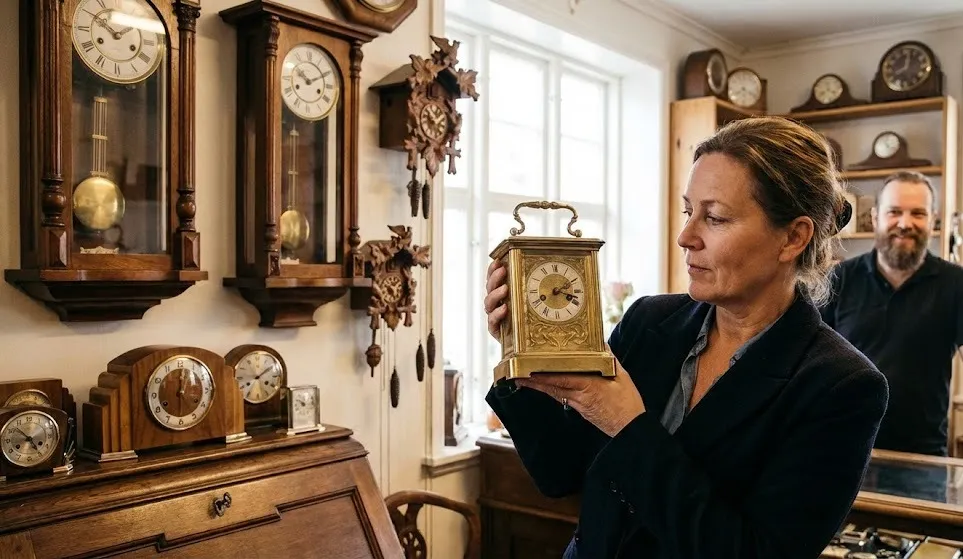
Searching for vintage wall clocks can feel like a treasure hunt. Whether you are scouring flea markets, browsing eBay, or looking at high-quality reproductions, keep these tips in mind to ensure you get a piece you love.
Check the Condition vs. Functionality
Are you buying it for the look or the timekeeping?
- The Purist Approach: If you want a truly authentic clock, check the mechanism. Does it need winding? Is the spring over-wound? Repairing old clockworks can be expensive, so make sure you know what you are getting into.
- The Decor Approach: Many people buy non-working antique clocks just for the aesthetic. Alternatively, you can buy a vintage shell that has been retrofitted with a modern, battery-operated quartz movement. This gives you the vintage look without the maintenance hassle.
Size Matters
A common mistake is buying a clock that is too small for the wall.
- For a Statement Piece: If the clock is the only thing on the wall, go big. An oversized industrial clock (24 inches or larger) acts like a piece of art.
- For Gallery Walls: If you plan to hang the clock amidst photos and artwork, a smaller size (10-14 inches) works best so it doesn’t dominate the arrangement.
Material Match
Look at the existing textures in your room. If you have a lot of metal furniture, a warm wooden clock can soften the look. Conversely, if your room is full of soft fabrics and wood, a metal vintage wall clock can provide a nice contrast.
Styling Tips: Where to Hang Your Timepiece
Once you have brought your treasure home, where should it go? Here are a few styling ideas to make your clock shine.
The Kitchen Command Center
The kitchen is the heart of the home, and it’s also where we need to keep track of time the most (cooking timers, breakfast schedules). An industrial or retro diner-style clock looks fantastic above a pantry door or on an open shelf.
The Living Room Statement
Use a large vintage wall clock above the sofa or the fireplace mantel. It anchors the room. If you have a mid-century starburst clock, let it stand alone on a painted accent wall, it’s essentially a piece of sculpture.
The Home Office
In a workspace, function is key, but style keeps you inspired. A classic regulator clock or a simple, legible schoolhouse clock can add a sense of professionalism and discipline to your home office setup.
The Gallery Wall Addition
Don’t be afraid to mix a clock into a gallery wall. It breaks up the square and rectangular shapes of picture frames. Try to center it or place it off-center to balance a large piece of art on the other side.
Care and Maintenance
To keep your vintage wall clocks looking and ticking their best, a little maintenance goes a long way.
- Dust Gently: Use a soft microfiber cloth or a feather duster. Avoid harsh chemical sprays, especially on old wood or painted metal, as they can strip the finish.
- Battery Care: If your clock has been converted to quartz, change the batteries once a year. Old batteries can leak and ruin the movement.
- Professional Servicing: If you own a high-value mechanical antique, have it oiled and cleaned by a professional clocksmith every 3 to 5 years. This ensures the gears don’t grind down over time.
Conclusion
There is no denying that vintage wall clocks are more than just functional items; they are pieces of history that ground our homes in the present while nodding to the past. Whether you prefer the sleek lines of the 1960s or the worn wood of the 1920s, there is a perfect clock out there waiting to be found.
So, the next time you feel your room is missing “something,” look to the walls. A beautiful vintage timepiece might be exactly what you need to finish the space with style and soul.