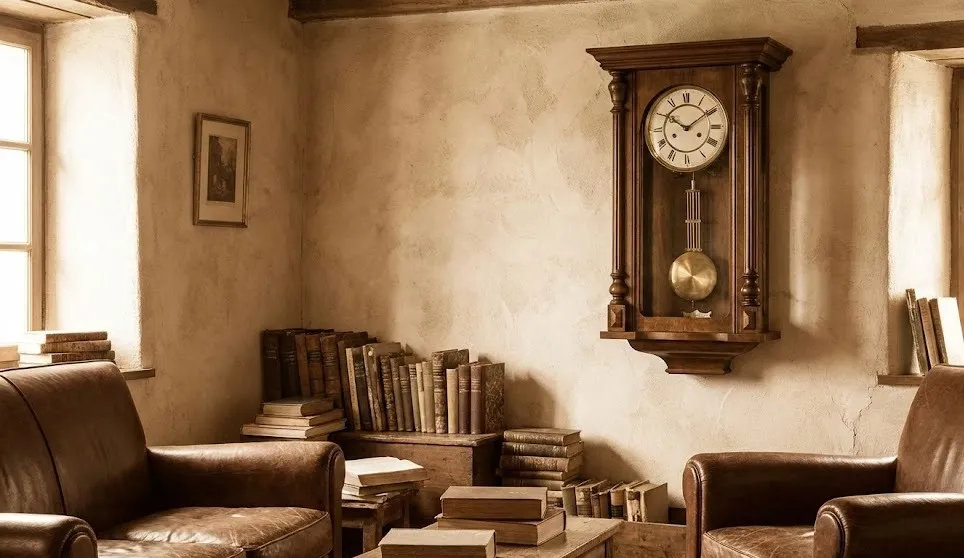
There is a specific sound that brings instant comfort to a home. It isn’t the hum of the refrigerator or the notification ping of a smartphone. It is the steady, rhythmic tick-tock of a mechanical clock.
In our fast-paced digital world, where time is just a glowing number on a screen, we often forget the beauty of passing time. This is why the vintage wall clock pendulum has made such a massive comeback in interior design. It is more than just a tool to tell you it’s noon; it is a piece of living history, a mechanical heartbeat, and a stunning work of art.
Whether you have inherited a dusty heirloom or you are hunting for treasures at a flea market, understanding these clocks is the first step to falling in love with them. Let’s dive into the world of antique timekeeping and see why a vintage wall clock pendulum deserves a spot on your wall.
The Magic Behind the Swing
Have you ever stopped to stare at a pendulum swinging back and forth? There is something almost hypnotic about it.
Unlike modern quartz clocks that run on batteries, a true vintage wall clock pendulum relies on gravity and physics. The pendulum serves as the clock’s timekeeping element. As it swings, it regulates the speed at which the clock’s gears turn. If the pendulum is short, the clock runs fast; if it is long, it runs slow.
This mechanical connection makes owning one feel special. You aren’t just changing a battery once a year; you are interacting with a machine. You have to wind it, listen to it, and sometimes adjust it. This interaction builds a bond between the owner and the object that you just don’t get with modern devices.
Popular Styles of Vintage Pendulum Clocks
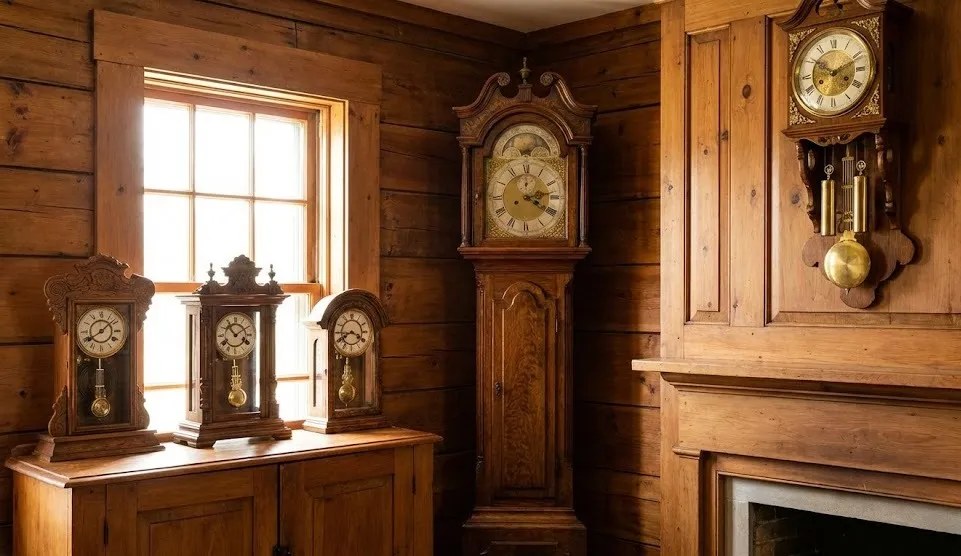
When you start looking for a vintage wall clock pendulum, you will quickly realize there isn’t just one “look.” History has given us several beautiful designs, each with its own character.
1. The Regulator Clock
These are perhaps the most iconic. Originally used in train stations and school offices, Regulator clocks were designed for accuracy. They usually feature a long glass door on the front, allowing you to see the brass pendulum swinging inside. They are elegant, often made of oak or walnut, and fit perfectly in hallways.
2. The Schoolhouse Clock
You have likely seen these in movies. They have a round face (dial) surrounded by wood, with a shorter, boxy section at the bottom where the pendulum swings. They have a charming, rustic vibe that looks amazing in kitchens or home offices.
3. The Cuckoo Clock
While often associated with intricate carvings and little birds popping out, traditional Black Forest cuckoo clocks are also pendulum clocks. They are whimsical and fun, though they require a bit more maintenance than standard wall clocks.
How to Buy the Perfect Vintage Wall Clock Pendulum
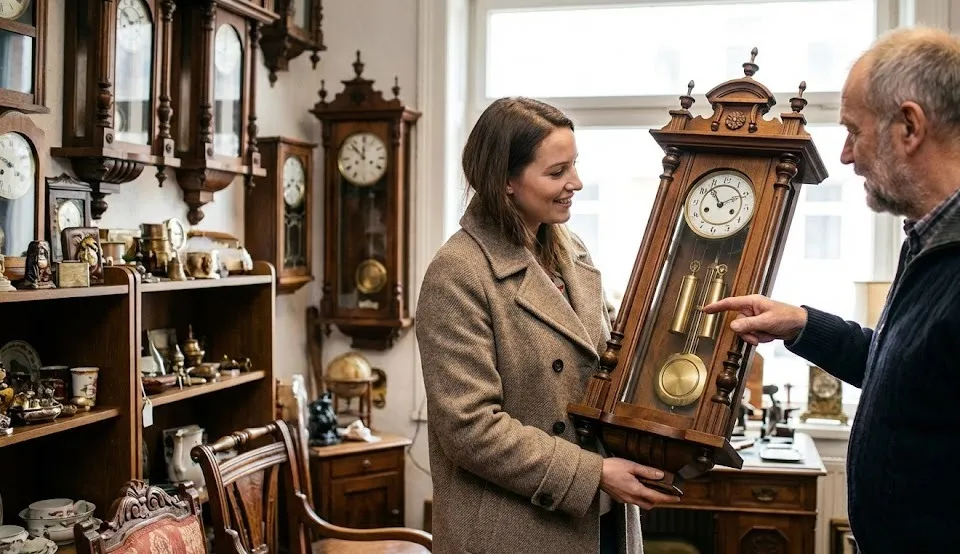
Buying antiques can be tricky. You don’t want to spend money on something that is broken beyond repair. Here are a few simple tips to keep in mind when shopping for your vintage wall clock pendulum.
- Check for the Key: Most of these clocks are “wind-up” models. They require a key to wind the springs. Always ask the seller if the original key is included. If not, keys can be bought online, but you need to know the specific size.
- Listen to the Tick: If possible, ask to hear the clock run. The tick should be even and rhythmic, like a heartbeat. If it sounds like a galloping horse (tick-tock… tick-tock vs tick… tock), the clock is “out of beat” and will need adjustment.
- Inspect the Case: scratches add character, but cracks in the wood or broken glass can be expensive to fix. Ensure the case is sturdy.
- 30-Hour vs. 8-Day: Some clocks need to be wound every single day (30-hour movement), while others can go a week (8-day movement). An 8-day clock is usually more desirable because it requires less daily attention.
Setting Up and Maintaining Your Clock
So, you have brought your beautiful vintage wall clock pendulum home. Now what? Many people think their clock is broken because it stops working shortly after they hang it up. Usually, the clock is fine, it just needs to be set up correctly.
The Importance of Being Level
This is the number one rule. For a pendulum clock to keep time, it must be perfectly level. If the clock leans even slightly to the left or right, the pendulum will swing unevenly, and the clock will eventually stop.
- Tip: Use a carpenter’s level when hanging the clock. Listen to the beat. You might need to nudge the bottom of the clock slightly left or right until the tick-tock sounds perfectly even.
Winding it Correctly
Never over-wind your clock. When you feel resistance, stop. Forcing the key can snap the mainspring, which is a difficult repair. Also, if your clock has two winding holes, one is usually for the time, and the other is for the chime (the noise it makes on the hour).
Cleaning
Avoid using harsh chemical sprays on the wood case. A soft, dry cloth is usually enough. Never spray cleaner directly onto the glass face, as it can seep behind the glass and damage the paper dial.
Styling Your Home with a Vintage Clock
A vintage wall clock pendulum is a strong focal point. Because they are often made of dark wood and have a commanding presence, you want to place them where they can shine.
- The Living Room: Hang a regulator clock above a side table or mantelpiece. It adds instant sophistication.
- The Entryway: A ticking clock in the foyer welcomes guests with a sense of warmth and tradition.
- The Kitchen: A schoolhouse clock looks fantastic in a farmhouse-style kitchen. It brings a cozy, nostalgic feel to the heart of the home.
A Note on Bedrooms: Be careful about placing these in bedrooms. The ticking can be louder than you expect! Unless you find the sound soothing, it might keep you awake at night.
Conclusion
In an era of disposable technology, a vintage wall clock pendulum stands for something permanent. It represents craftsmanship, history, and a slower pace of life. It asks you to pause, wind it, and appreciate the passing of time rather than just racing against it.
Whether you are a serious collector or just someone who loves the aesthetic of the past, adding one of these clocks to your home is a decision you won’t regret. It isn’t just a clock; it’s a heartbeat for your home.