We have all been there. You wake up on a Sunday morning, craving a perfect sunny-side-up egg. You crack the shell, drop it into the pan, and watch it sizzle. But when you go to flip it? Disaster. The white is glued to the metal, the yolk breaks, and your perfect breakfast turns into a scrambled mess.
If this sounds familiar, the problem likely isn’t your cooking skills, it’s your cookware.
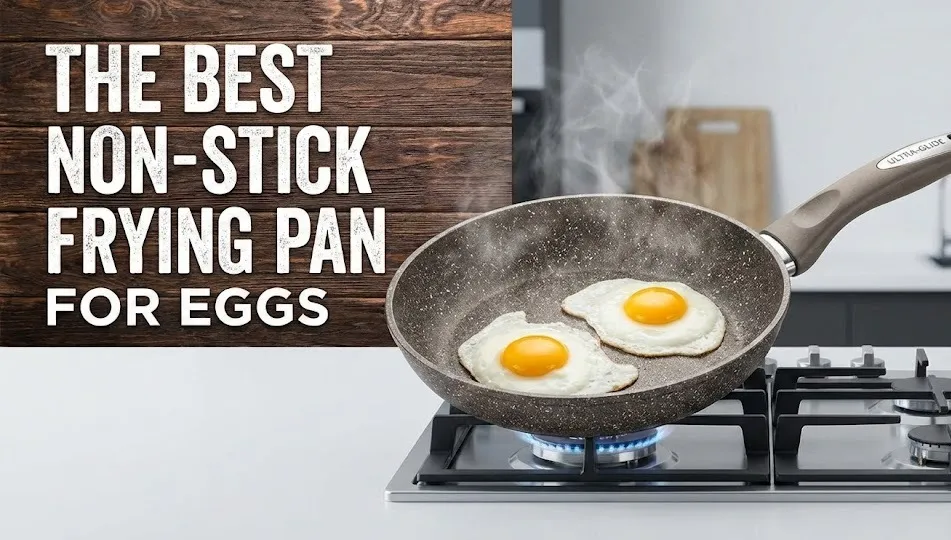
Finding the best non stick frying pan for eggs is a game-changer for home cooks. Whether you like them scrambled, fried, or poached, the right tool makes the difference between a frustrating cleanup and a breakfast that slides right onto your plate.
In this guide, we will break down what makes a pan perfect for eggs, which materials to trust, and how to keep that non-stick surface slippery for years.
Why Do You Need a Dedicated “Egg Pan”?
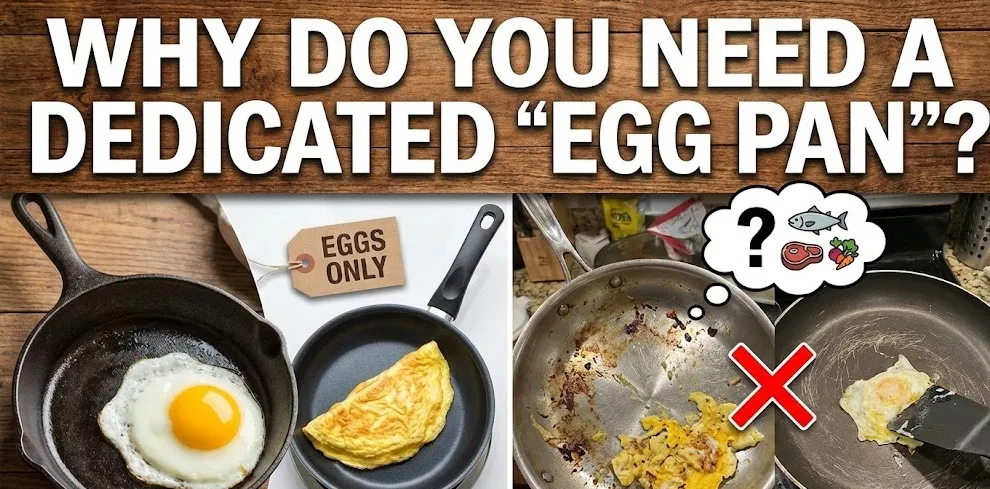
You might be asking, “Can’t I just use my regular skillet?” Of course, you can. But experienced chefs and home cooks often keep a specific, smaller pan reserved strictly for eggs.
Why? Because eggs are delicate proteins. They require a pristine surface to cook evenly without sticking. If you use the same pan to sear steaks or char vegetables at high heat, you degrade the non-stick coating over time. A dedicated egg pan ensures that the surface remains flawless, making your morning routine faster and your cleanup nonexistent.
Top Materials for the Best Non Stick Frying Pan for Eggs
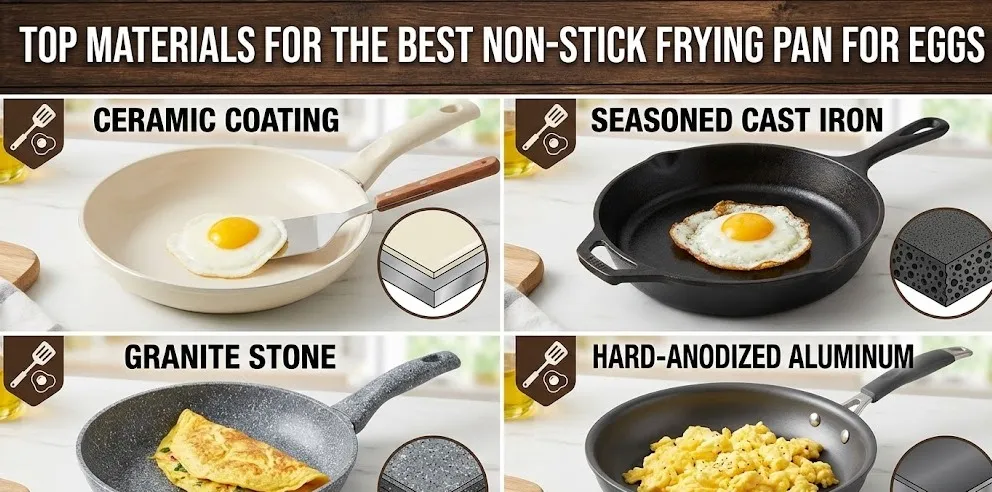
When shopping for the best non stick frying pan for eggs, you will generally encounter three main types of materials. Each has its pros and cons.
1. Traditional PTFE (Teflon)
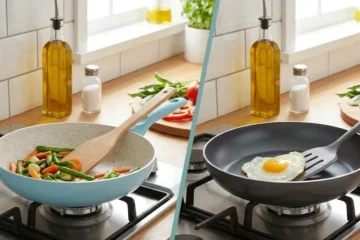
This is the classic black non-stick coating we all know.
- Pros: It is incredibly slick. Eggs literally dance across the surface. It is usually affordable and lightweight.
- Cons: It can break down at very high temperatures (above 500°F), so it is strictly for low-to-medium heat cooking—which, luckily, is perfect for eggs.
2. Ceramic Coating
Ceramic pans have gained massive popularity because they are often free from PFOA and PTFE chemicals. They are made from silica (sand) and have a sol-gel coating.
- Pros: They come in beautiful colors, are generally considered eco-friendly, and are very hard.
- Cons: The “non-stick” quality tends to fade faster than traditional Teflon if you don’t treat it carefully with oil.
3. Hard-Anodized Aluminum
This isn’t a coating itself, but a method of hardening the aluminum base. These pans often have a high-quality non-stick layer on top.
- Pros: Extremely durable, scratch-resistant, and conducts heat very evenly.
- Cons: They are often heavier and a bit more expensive.
Key Features to Look For
When hunting for the best non stick frying pan for eggs, keep these three features in mind to ensure you get the most bang for your buck.
The Slope of the Sides
For eggs, you want a pan with gently sloping sides (flared rims). This shape allows you to easily slide a spatula under the egg to flip it. Pans with straight, vertical sides (like a sauté pan) make it difficult to get under a delicate omelet without tearing it.
The Handle Comfort
You will be lifting, tilting, and shaking the pan often. Look for a handle that stays cool to the touch and has a comfortable grip. A silicone-wrapped handle is often a great choice for safety and comfort.
The Perfect Size
Size matters!
- 8-Inch Pan: This is the gold standard for a 2-egg omelet or a couple of fried eggs for one person.
- 10-Inch Pan: Ideal if you are cooking breakfast for two people or making a larger frittata.
- 12-Inch Pan: Generally too big for just eggs (the whites spread out too thin), unless you are cooking for a crowd.
How to Maintain Your Non-Stick Pan (The “Human” Touch)
Even the best non stick frying pan for eggs will fail if you treat it like cast iron. I ruined my share of pans before I learned these simple rules. Here is how to make yours last for years:
- Never Use Cooking Spray: Aerosol sprays contain additives (lecithin) that build up a gummy residue on non-stick surfaces that is impossible to scrub off. Use real butter or a small amount of oil instead.
- Low to Medium Heat Only: High heat destroys non-stick bonds. Eggs cook best on low heat anyway, patience creates the fluffiest scramble!
- Soft Tools Only: Keep the metal forks and knives away. Use silicone or wooden spatulas to protect the coating.
- Hand Wash: I know the label says “Dishwasher Safe,” but the harsh detergents and high heat of a dishwasher will age your pan prematurely. A quick wipe with a soapy sponge is all a good pan needs.
Top Picks: A Quick Overview
While specific models change every year, here are the categories of pans that consistently win the title of the best non stick frying pan for eggs:
- The Budget Hero: T-fal Professional. It has a heat indicator spot in the middle and offers a reliable release for a very low price.
- The Eco-Friendly Choice: GreenPan Valencia. A ceramic option that is healthy, durable, and surprisingly slick.
- The Professional Choice: All-Clad HA1. Hard-anodized aluminum that heats evenly and feels solid in the hand.
Conclusion
Breakfast shouldn’t be a battle. By investing in the best non stick frying pan for eggs, you are actually investing in smoother mornings and better-tasting food.
Whether you choose a classic Teflon pan for its unbeatable slickness or a modern ceramic pan for its health benefits, remember that care is key. Treat your egg pan with a little love, low heat, hand washing, and no metal tools, and it will reward you with perfect, slide-off-the-pan eggs every single time.
Ready to upgrade your breakfast game? Check out the options mentioned above and say goodbye to stuck yolks forever.