We live in a digital world. From the moment we wake up to check our smartphones to the hours we spend in front of laptop screens for work, and finally, the late-night Netflix binges, our eyes are constantly glued to displays. If you have ever finished a long day feeling like your eyes are dry, gritty, or tired, you are not alone.
This universal struggle has led to a massive surge in popularity for specialized eyewear. You have probably seen the ads or noticed coworkers wearing stylish specs with a slight yellow tint. But before you spend your hard-earned money, you need to answer one critical question: blue light blocking glasses, do they work?
In this post, we will cut through the marketing hype, look at the science, and help you decide if these glasses are the right solution for your digital headaches.
What Exactly Is Blue Light?
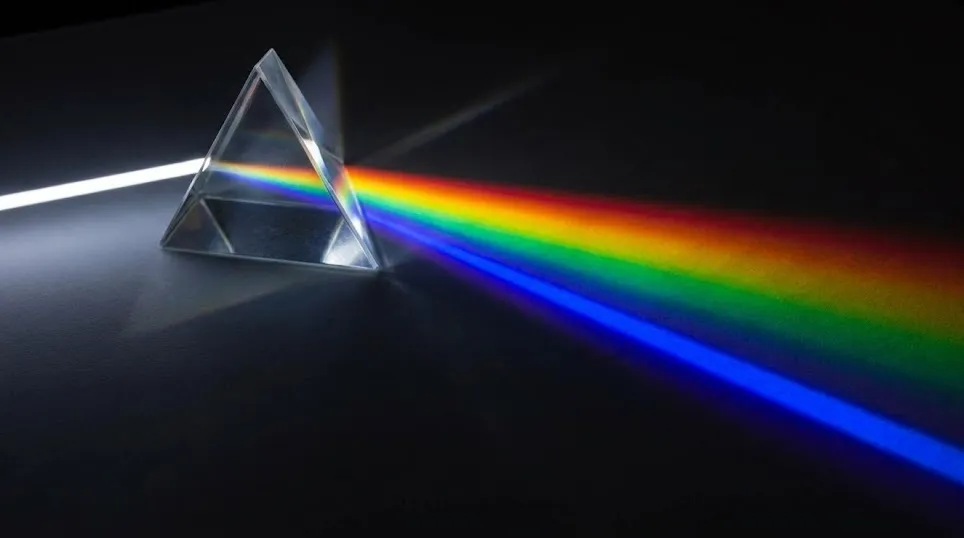
To understand the glasses, we first need to understand the light. Blue light is a color in the visible light spectrum that can be seen by the human eye. It has a short wavelength and produces higher amounts of energy.
Here is the surprising part: the biggest source of blue light isn’t your iPhone, it’s the sun. Sunlight is the main source of blue light, and being outdoors during the day is where most of us get our exposure. This is actually a good thing! Natural blue light helps regulate your body’s sleep and wake cycles (circadian rhythm), boosts alertness, and elevates moods.
However, the concern arises from artificial sources, including:
- Smartphones and tablets
- Computer monitors and laptops
- LED televisions
- Fluorescent and LED lighting
While screens emit much less blue light than the sun, we stare at them directly, at close range, for many hours a day.
How Do Blue Light Glasses Claim to Help?
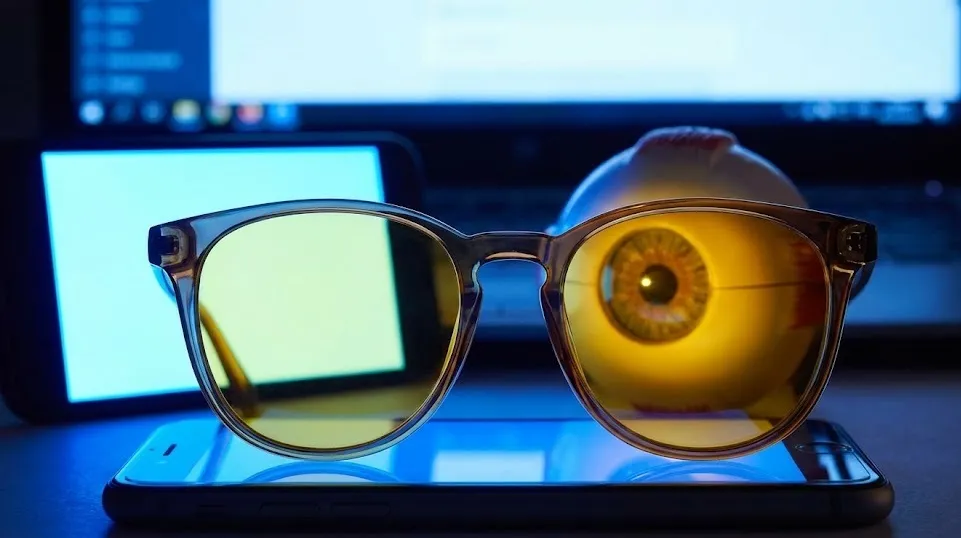
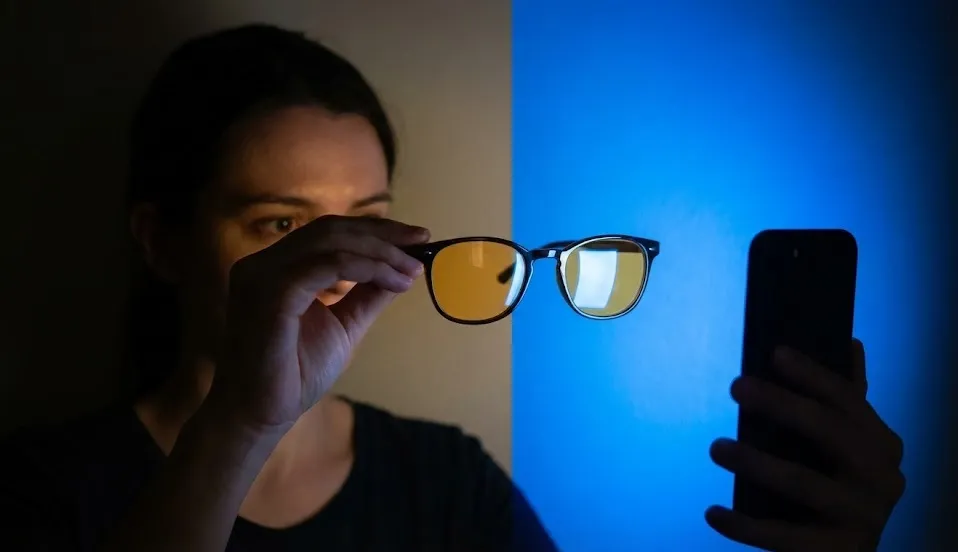
Blue light blocking glasses (sometimes called computer glasses) have specially crafted lenses that are designed to filter out or block the blue light given off by digital screens. The claim is that by filtering this high-energy light, the glasses can reduce digital eye strain and prevent eye damage.
Manufacturers often promise three main benefits:
- Reduced Eye Strain: Less dryness and fatigue after computer use.
- Better Sleep: Preventing blue light from messing with your melatonin production.
- Prevention of Eye Disease: Protecting the retina from potential long-term damage.
But when it comes to blue light blocking glasses do they work as promised, or is it just a placebo effect?
The Big Question: Blue Light Blocking Glasses, Do They Work?
The answer is not a simple “yes” or “no.” It depends entirely on what you are trying to fix. Let’s break it down into the two biggest concerns: eye strain and sleep.
1. Do They Work for Eye Strain?
This is where things get tricky. Many users swear by them, claiming that their eyes feel much more relaxed after a day of work when wearing the glasses. However, the scientific community is split.
According to the American Academy of Ophthalmology, there is no scientific evidence that blue light from digital devices causes damage to your eyes. They suggest that the discomfort you feel is actually Digital Eye Strain (also known as Computer Vision Syndrome).
Digital eye strain is usually caused by:
- Blinking less frequently when staring at screens (we blink about 50% less!).
- Focusing at a close distance for too long.
- Poor contrast on screens.
- Glare from overhead lighting.
So, regarding blue light blocking glasses do they work for strain? While they might not be medically necessary to prevent damage, many people find that the slight tint improves contrast and reduces glare, which can make looking at a screen feel more comfortable, even if the blue light itself isn’t the villain.
2. Do They Work for Sleep?
Here is the good news: Yes, they likely do.
Science is fairly clear that blue light exposure late at night can suppress the secretion of melatonin, the hormone that tells your body it is time to sleep. Using your phone or watching TV right before bed tricks your brain into thinking it is still daytime.
If you wear blue light glasses in the evening (especially amber-tinted ones), they can effectively block that specific spectrum of light. This allows your body to produce melatonin naturally, potentially helping you fall asleep faster and enjoy better rest.
Who Should Buy Blue Light Glasses?
You might be wondering if you are the right candidate for these glasses. You should consider trying them if:
- You work late hours: If you are on your laptop until 10 PM or later, these glasses can help protect your sleep cycle.
- You suffer from insomnia: If you have trouble falling asleep and you use screens in the evening, this is a low-risk solution to try.
- You are sensitive to brightness: If bright white screens give you headaches or migraines, the dimming effect of the lenses can provide relief.
If you are simply looking to cure dry eyes during the workday, you might find that simple habit changes work better than glasses.
Effective Alternatives to Reduce Eye Strain
If you are still skeptical and asking “blue light blocking glasses do they work enough to justify the cost?”, you can try these free methods first. These are often recommended by eye doctors to reduce strain immediately.
The 20-20-20 Rule
This is the golden rule of eye care.
- Every 20 minutes, take a break.
- Look at something 20 feet away.
- Do this for 20 seconds. This relaxes the focusing muscle inside the eye and reduces fatigue.
Adjust Your Environment
- Reduce Glare: Position your computer screen so that windows or overhead lights do not shine directly on it.
- Adjust Brightness: Your screen should match the brightness of the room. It shouldn’t look like a light source glowing in the dark.
- Use “Night Mode”: Most smartphones and computers now have a built-in “Night Shift” or “Eye Comfort Shield” setting that turns the screen slightly orange in the evening. This mimics what blue light glasses do, for free!
Blink More Often
It sounds silly, but we forget to blink when reading emails or scrolling social media. Make a conscious effort to blink fully to keep your eyes moist. You can also use lubricating eye drops (artificial tears) if your eyes feel dry.
Conclusion: Are They Worth It?
So, to summarize our investigation into blue light blocking glasses do they work:
If you are buying them expecting a miracle cure for all eye problems, you might be disappointed. They are not a medical shield against eye disease. However, if you struggle with falling asleep after late-night scrolling, or if you find the harsh glare of a white screen uncomfortable, they can be a fantastic tool.
They offer a “human touch” to technology, making our cold, bright screens a little warmer and easier on the brain.
Our Verdict:
- For Sleep: Highly Recommended (especially amber/orange tints).
- For Eye Strain: Helpful for some (mostly by reducing glare), but taking breaks is better.
Ultimately, the best way to know is to try a pair. Since many affordable options exist, it is a small investment for potential relief. Just remember, no pair of glasses can replace the benefit of putting the phone down and getting a good night’s rest!