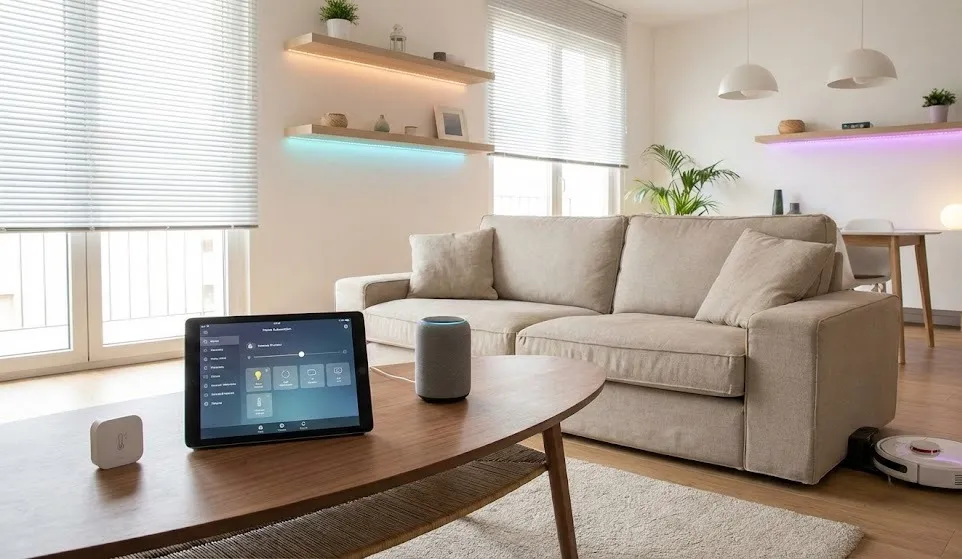
Gone are the days when a “smart home” meant having a glitchy voice assistant that could barely set a kitchen timer. As we move through 2026, the technology in our houses has become quieter, more intuitive, and significantly more helpful. Choosing the right smart home essentials for living is no longer about showing off flashy gadgets to your neighbors; it is about creating an environment that saves you time, reduces your energy bills, and actually makes your daily routine feel effortless.
Whether you are a tech enthusiast or someone who just wants their lights to turn on when they walk into a room, this guide will walk you through the must-have upgrades for this year.
The Evolution of the Intelligent Household
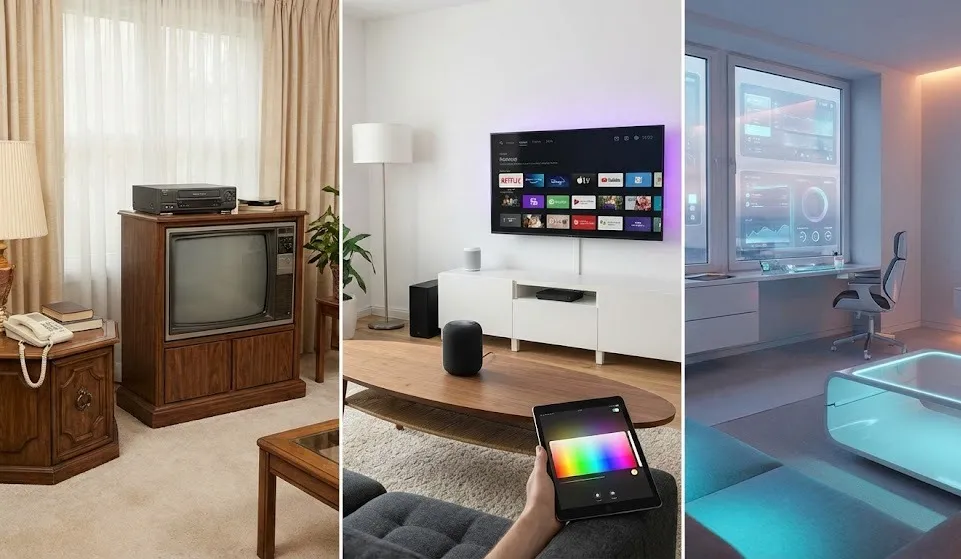
In 2026, the biggest shift in home technology is the move toward “invisible” tech. We are seeing a decline in bulky devices and an increase in systems that blend seamlessly into your interior design. Thanks to the universal “Matter” protocol, devices from different brands finally talk to each other without a struggle. This interoperability is one of the most important smart home essentials for living because it ensures that your Apple, Google, and Amazon devices can all live under one roof harmoniously.
Core Smart Home Essentials for Living in the Modern Era
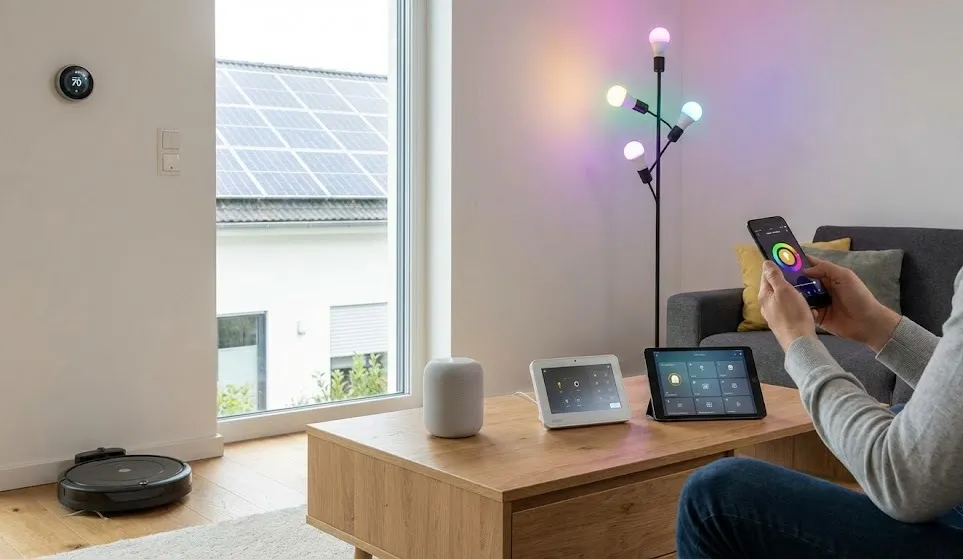
To build a truly functional home, you don’t need every gadget on the market. You need a foundation of reliable tools that work together. Here are the categories that define a modern, connected lifestyle.
1. AI-Driven Lighting Systems
Lighting is often the first thing people automate, but in 2026, it has gone far beyond simple timers. Modern smart home essentials for living now include circadian rhythm lighting. These bulbs automatically adjust their color temperature throughout the day, bright, cool blue tones in the morning to wake you up, and warm, amber hues in the evening to help your body produce melatonin. Brands like Philips Hue and Govee have integrated AI that learns when you usually dim the lights for a movie, making the manual switch a thing of the past.
2. Next-Gen Climate Control
Smart thermostats have been around for a while, but the latest models use predictive AI to manage your home’s temperature. Instead of just following a schedule, they look at local weather forecasts and energy prices to pre-cool or pre-heat your home when it is most cost-effective. These smart home essentials for living can reduce your carbon footprint while keeping your living room at the perfect temperature year-round.
Why These Smart Home Essentials for Living Matter
When we talk about “essentials,” we are looking at value. A gadget is only essential if it solves a problem. In 2026, the primary problems we face are rising energy costs and busy schedules.
- Energy Efficiency: With integrated smart meters, your home can now sell excess solar power back to the grid.
- Convenience: Imagine a vacuum that doesn’t just clean the floor but can now climb stairs (like the latest Roborock models) to ensure every inch of your house is spotless.
- Security: AI facial recognition in doorbells can now distinguish between a delivery driver, a neighbor, and a stranger, sending you specific alerts so you don’t have to check your phone for every stray cat that walks by.
Security and Privacy in 2026
Security remains a top priority for anyone looking into smart home essentials for living. However, the focus has shifted from “cloud-everything” to “local processing.” People want the convenience of smart locks and cameras without the fear of their data being stored on a distant server.
The best systems in 2026 process video and voice commands locally within your home hub. This means your data stays inside your four walls, providing peace of mind alongside high-tech protection. Smart locks now feature “AuraCharge” technology, which allows them to stay powered wirelessly from a nearby transmitter, eliminating the need to swap out batteries every few months.
The Kitchen Revolution
The kitchen has become the brain of the house. Modern smart home essentials for living in the culinary space include smart inventory trackers. These systems use internal cameras and AI to monitor what is in your fridge. They can suggest recipes based on ingredients that are about to expire and even add staples to your grocery list automatically.
Moreover, appliances are now “grid-aware.” Your dishwasher might wait to start its cycle until 2:00 AM when electricity rates are at their lowest, saving you hundreds of dollars over the course of a year.
Tips for Starting Your Smart Home Journey
- Prioritize the Hub: Start with a hub that supports Matter and Thread. This ensures your smart home essentials for living won’t become obsolete in two years.
- Focus on One Room: Don’t try to automate the whole house at once. Start with the living room or the bedroom to see what actually adds value to your life.
- Invest in Quality Sensors: Motion and occupancy sensors are the unsung heroes of automation. They allow your home to respond to your presence without you saying a word.
Conclusion
Creating a futuristic home doesn’t require a degree in computer science. By focusing on a few key smart home essentials for living, you can build a space that is more comfortable, secure, and energy-efficient. As we look toward the rest of 2026, the goal is clear: technology should serve us, not the other way around. Whether it’s a thermostat that learns your habits or a security system that keeps you safe, these smart home essentials for living are the building blocks of a better lifestyle.