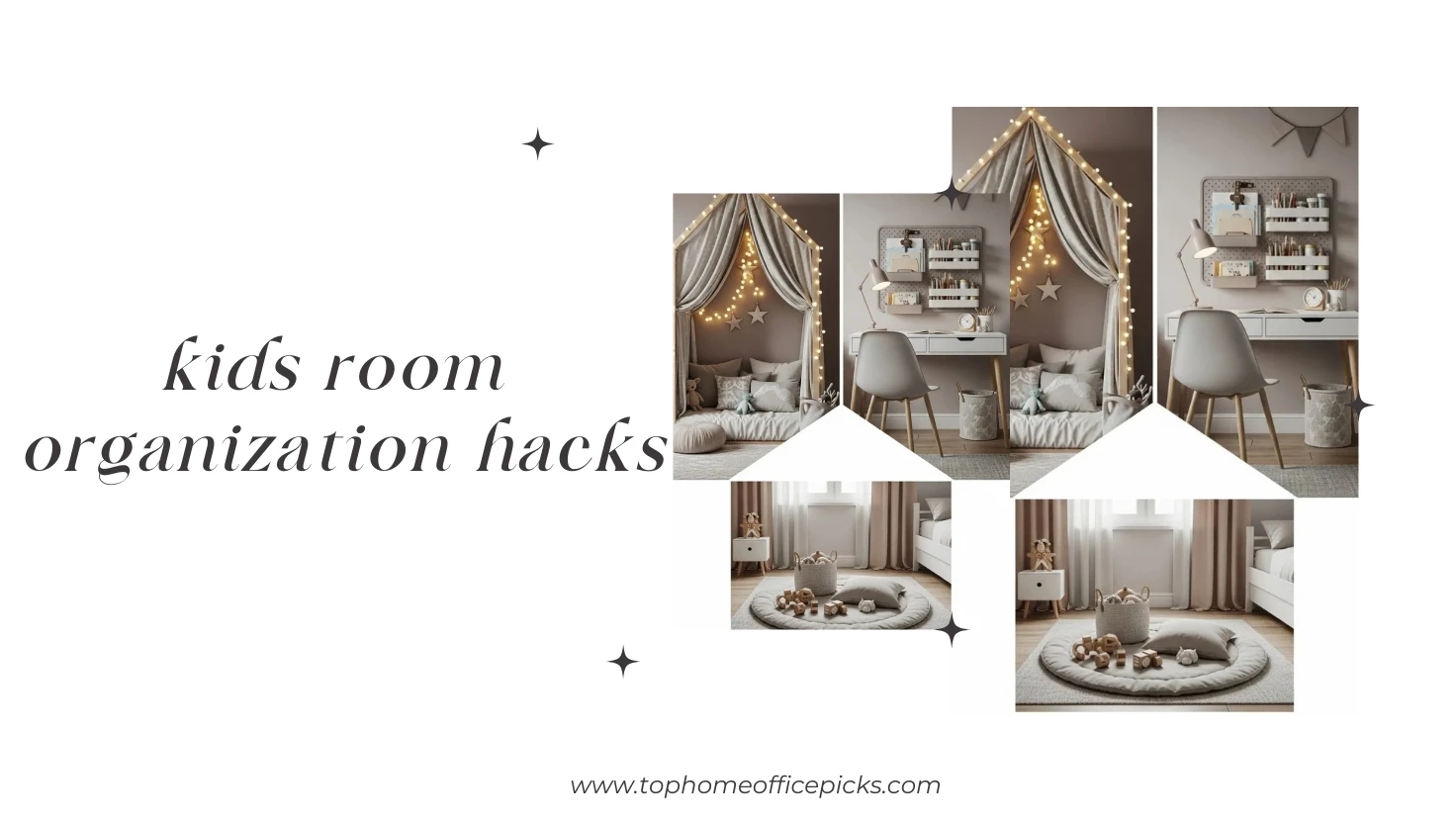
When the Chaos Hits: A Parent’s Story
Let’s be honest. Walking into a kid’s room can sometimes feel like stepping onto a minefield made of Lego blocks, doll shoes, and snack wrappers that mysteriously appeared despite the “no food in the bedroom” rule.
I remember one Saturday morning when I couldn’t even see the floor in my daughter’s room. Books piled like mini skyscrapers, stuffed animals lined up like a zoo escape, and glitter… oh, the glitter. That was the moment I realized,this wasn’t just about cleaning. This was about survival, sanity, and teaching her that organization doesn’t have to be boring.
And that’s how my journey into kids room organization hacks began. What I discovered along the way completely changed how we manage her space, and I want to share those discoveries with you.
Why Kids’ Rooms Turn Into Disaster Zones So Quickly
Children’s rooms are unique. They’re not just bedrooms,they’re:
- Playgrounds filled with toys.
- Art studios with crayons, paint, and half-finished “masterpieces.”
- Mini-libraries overflowing with colorful books.
- Changing stations for tiny outfits that seem to multiply overnight.
Without a plan, these spaces turn chaotic fast. But the trick isn’t in trying to keep everything perfect,it’s about creating simple systems kids can actually follow. That’s what the best kids room organization hacks are all about.
Hack 1: Think Up, Not Out (Vertical Magic)
When space is limited, the floor becomes a battlefield. Toys everywhere, clothes on the floor, and books teetering in corners. The first “aha” moment I had was realizing walls could do more than just hold posters.
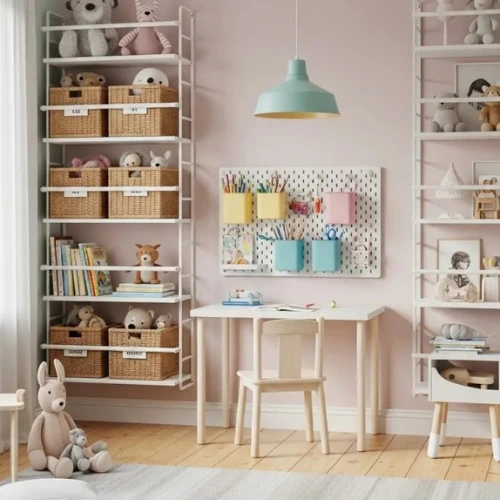
- Floating shelves became my daughter’s “book corner.”
- Pegboards turned into her art supply station. (Bonus: she thinks it looks like a “real artist’s studio.”)
- Wall cubbies held baskets for dolls, socks, and random treasures.
By using vertical storage, suddenly the floor was clear, and the room felt twice as big.
Hack 2: Bins That Talk Back
One day, I watched my daughter rummage through three different boxes looking for her toy dinosaurs. That’s when it hit me,she wasn’t messy, she was frustrated because she couldn’t find what she wanted.
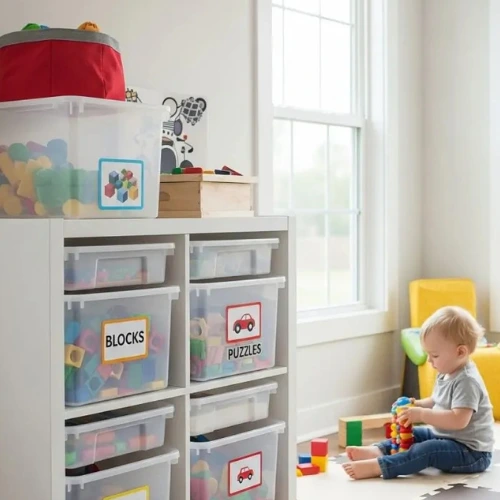
So, we switched to transparent bins with picture labels:
- A bin with a picture of blocks.
- Another with a dinosaur drawing.
- One labeled dolls.
Now, even though she can’t read yet, she knows where everything goes. And when cleanup time comes, it’s a game: “Can the dinosaurs find their home?”
Hack 3: Treasure Drawers Under the Bed
Beds don’t just have to be for sleeping. That space underneath is prime real estate for storage.
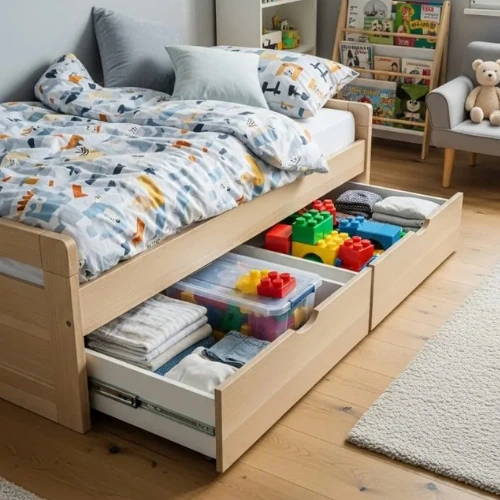
We invested in rolling drawers for:
- Seasonal clothes.
- Extra bedding.
- Larger toy sets (that don’t need daily access).
To her, it became a “secret drawer” of treasures. To me, it was one less pile on the floor.
Hack 4: The Toy Rotation Game
Here’s a little secret: kids don’t need all their toys out at once. In fact, too many choices can overwhelm them.
We started a toy rotation system:
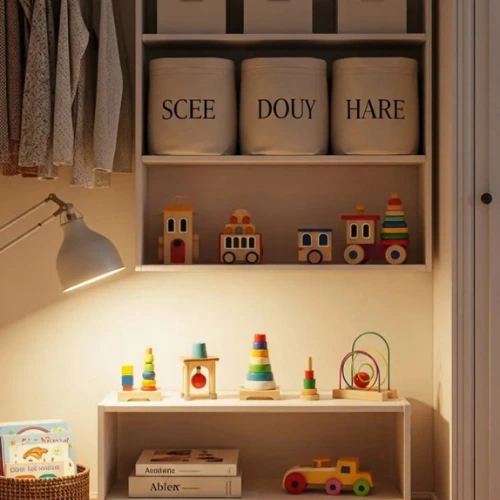
- Only one set of toys is available at a time.
- Every two weeks, I swap them out for a “new” set.
Her reaction? Pure excitement every time. It’s like she gets a new gift without us buying anything. And her room stays half as cluttered.
Hack 5: Behind-the-Door Magic
The back of her closet door used to do nothing. Now? It’s a superhero.
We hung an over-the-door organizer (yes, the kind meant for shoes). Suddenly, tiny items had a home:
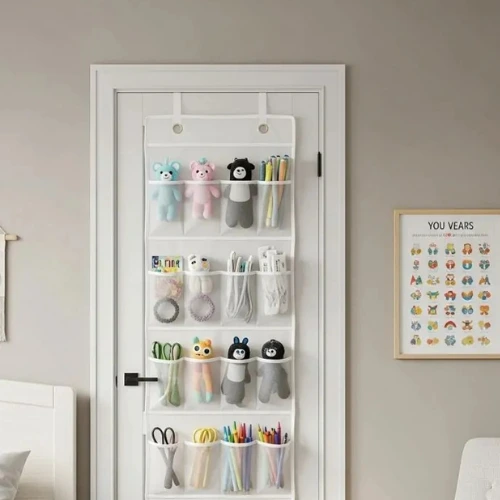
It’s invisible when the door is shut, yet saves tons of drawer space.
Hack 6 : Zones = Sanity
Kids thrive on structure. So instead of one big room full of “everything everywhere,” we set up zones:
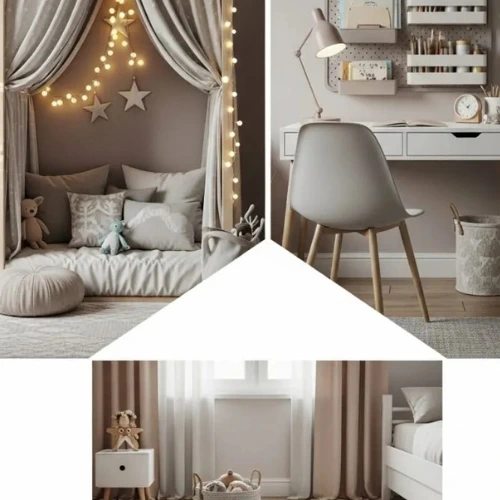
- A reading nook with a beanbag and small bookshelf.
- A play rug in the middle for toys.
- A mini-desk in the corner for drawing and homework.
By keeping storage near each zone, cleanup became intuitive. She knows books go in the nook, not mixed in with her art supplies.
Hack 7: Furniture That Works Twice as Hard
Every piece of furniture in a kid’s room should earn its keep.
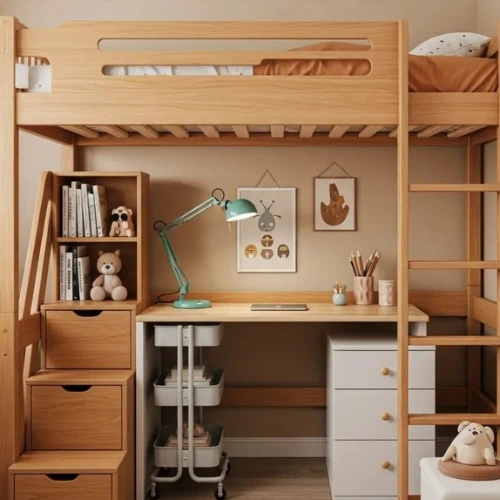
- A storage bench doubled as her reading seat.
- A loft bed gave her study space underneath.
- A desk with hidden drawers stored her craft chaos.
The room looked cleaner instantly, because the furniture itself swallowed the clutter.
Hack 8: The Laundry Lesson
Dirty clothes were everywhere… until I bought her a personalized laundry hamper. It had her name and a unicorn on it. Suddenly, putting clothes in the hamper wasn’t a chore, it was fun.
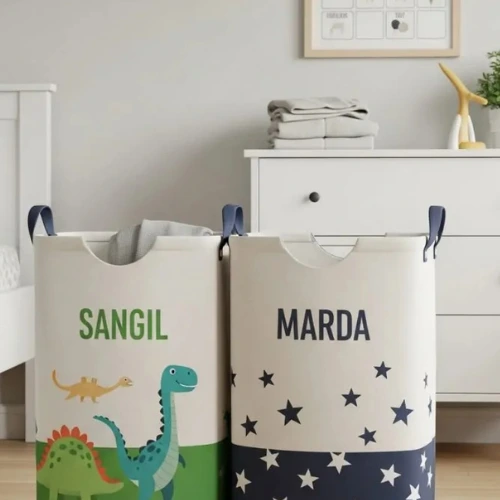
Even better, we used color-coded baskets: one for darks, one for lights. She loved sorting, and I loved not hunting for socks under the bed.
Hack 9: The Art Explosion Problem
If you’ve ever had a child who loves art, you know the struggle: endless piles of paper, half-colored drawings, glitter-covered “masterpieces.”
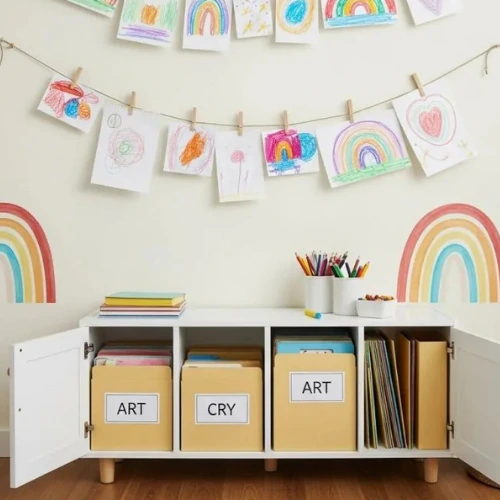
Our solution was simple:
- A bulletin board for displaying current favorites.
- Portfolios for saving older ones.
- A digital scrapbook where I snapped photos of her art so we could “keep” it without drowning in paper.
Now she’s proud of her “art gallery wall,” and I’m proud I can see the carpet again.
Hack 10: The Weekly Cleanup Chart
Finally, the glue that holds it all together: routine.
We created a visual chart with icons showing daily and weekly tasks:
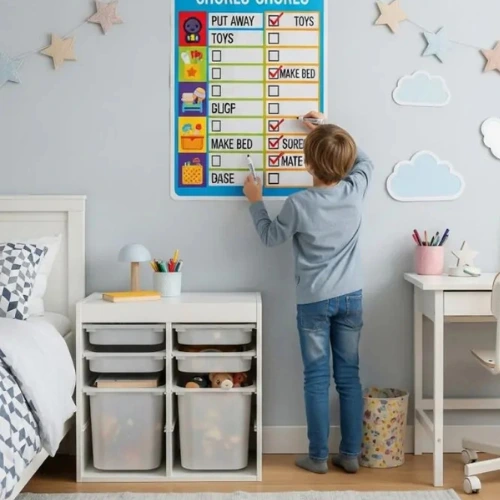
- Make the bed.
- Put toys back in bins.
- Sort laundry.
- Tidy the desk.
Each task completed earns a sticker. Stickers lead to small rewards. Over time, it stopped being about rewards,it just became habit.
The Parent’s Secret: Let Kids Own It
Here’s the most important lesson I learned: if I did all the organizing myself, it never lasted. But when I let my daughter choose her bins, decorate her laundry basket, or decide where the “reading corner” goes, she took ownership.
Organization became hers, not mine. And that’s the secret to any of these kids room organization hacks truly working.
Final Thoughts
A tidy kids’ room doesn’t mean a perfect room, it means a functional, happy space where your child feels in control. With hacks like vertical storage, toy rotation, personalized hampers, and playful cleanup routines, you can transform chaos into calm.
And remember: celebrate progress, not perfection. Some days, the Lego city will still take over the rug. But with the right systems in place, you’ll have fewer battles, fewer meltdowns, and a room that feels like a safe, joyful space for your child to grow.