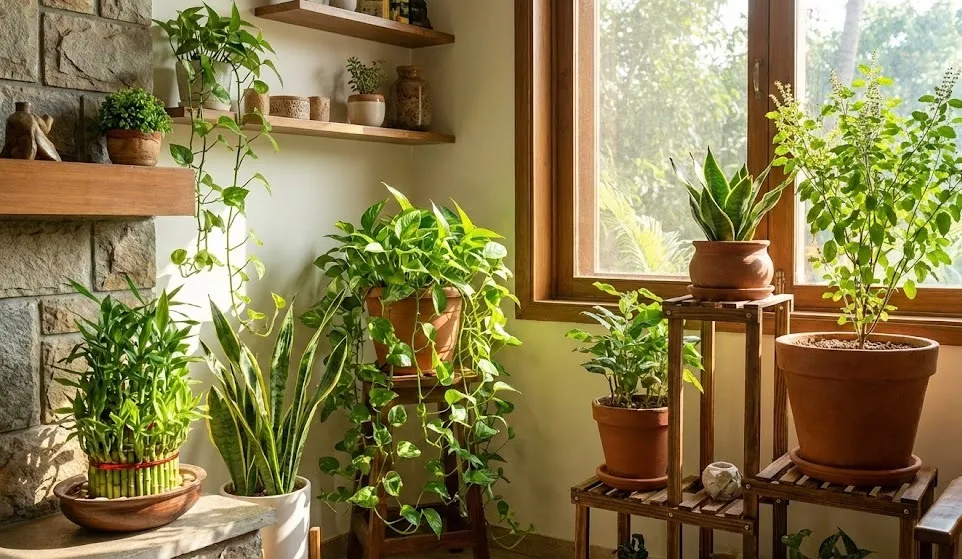
Creating a home that feels peaceful and welcoming is a dream for many. While we often focus on furniture and paint colors, we sometimes overlook the living energy that plants bring into our rooms. In the ancient Indian science of architecture, vastu plants play a crucial role in balancing the flow of energy (Prana) within a household. By choosing the right greenery, you can invite prosperity, improve your health, and clear out negative vibes.
In this guide, we will explore the most powerful plants according to Vastu Shastra, where to place them, and how they can transform your life.
Why You Should Integrate Vastu Plants in Your Home
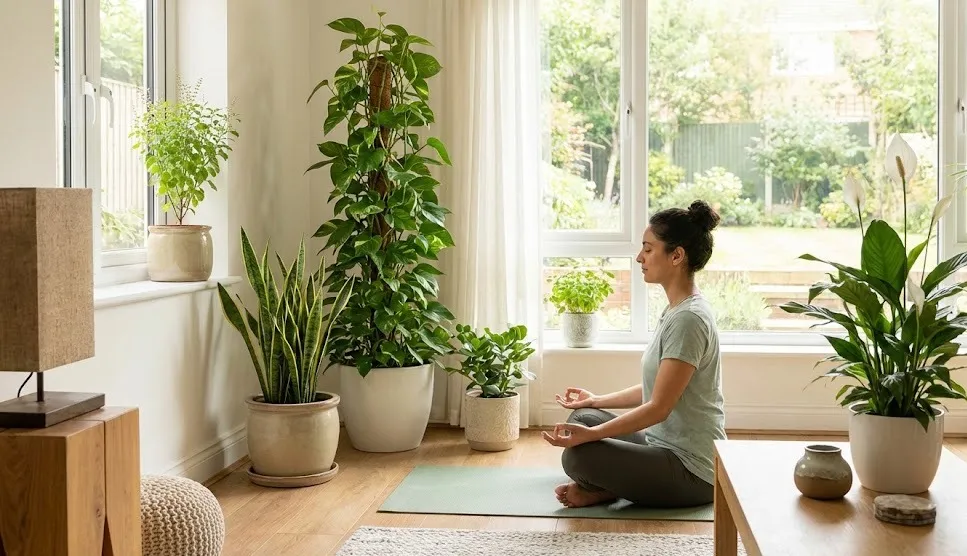
According to Vastu Shastra, everything in our environment emits a certain frequency. Plants, being living organisms, have a very high vibration. When you strategically place vastu plants in specific corners of your house, they act as natural filters. They don’t just filter the air; they filter the energy.
Using the right plants can help:
- Reduce Stress: Greenery is scientifically proven to lower cortisol levels.
- Attract Wealth: Certain plants are symbolic of Goddess Lakshmi and financial growth.
- Improve Relationships: Soft-leaved plants promote harmony among family members.
Top 10 Vastu Plants for Prosperity and Peace
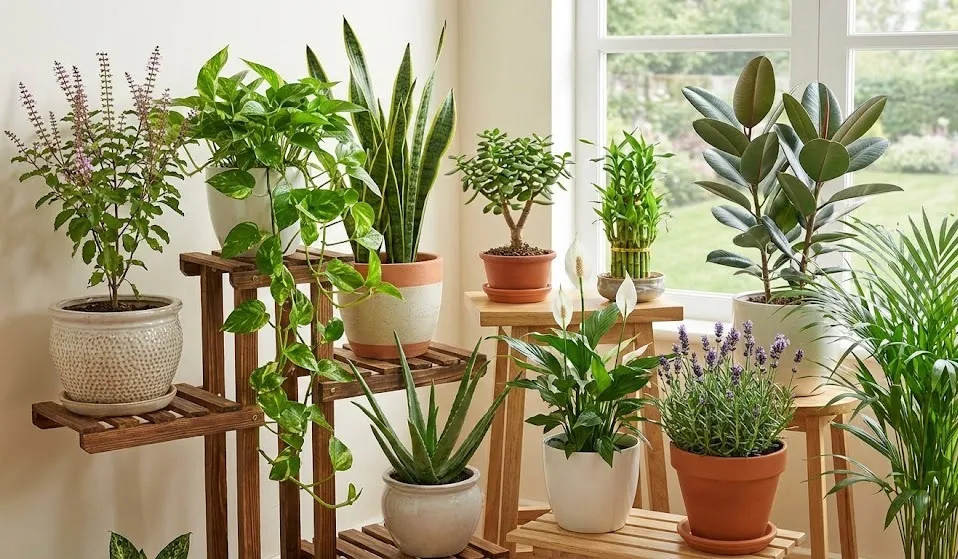
1. Tulsi (Holy Basil): The Queen of Vastu Plants
No list of vastu plants is complete without Tulsi. It is considered sacred and is a powerhouse of oxygen. It acts as a spiritual protector for the home.
- Best Direction: North, East, or North-East.
- Benefit: Clears negative energy and brings medicinal benefits.
2. Money Plant (Epipremnum aureum)
The Money Plant is perhaps the most popular choice for those looking to boost their finances. Vastu suggests that as the plant grows upwards, so does your wealth.
- Best Direction: South-East corner (the direction of Lord Ganesha).
- Benefit: Attracts luck and financial stability.
3. Snake Plant (Sansevieria)
The Snake Plant is a champion of health. It is one of the few plants that convert CO2 into oxygen at night, making it perfect for the bedroom.
- Best Direction: South or East.
- Benefit: Promotes a healthy flow of oxygen and reduces anxiety.
4. Jade Plant
Known as the “friendship tree,” the Jade plant is a succulent that symbolizes good fortune. Its small, coin-shaped leaves are why it is frequently listed among essential vastu plants for business owners and professionals.
- Best Direction: South-East.
- Benefit: Invites prosperity and success.
5. Bamboo (Lucky Bamboo)
Lucky bamboo with 2 or 3 stalks is often used to balance the five elements of Earth, Wood, Water, Fire, and Metal.
- Best Direction: East for health or South-East for wealth.
- Benefit: Brings peace and mental clarity.
6. Aloe Vera
Aloe Vera is not just for skincare. In Vastu, it is known for its ability to fight off negative energy and bring in positive “chi.”
- Best Direction: North or East.
- Benefit: Ensures the well-being of the family and purifies the air.
7. Peace Lily
The Peace Lily is the epitome of elegance and harmony. It is great for neutralizing indoor gases and creating a calm atmosphere.
- Best Direction: Any place near a window, but West or South is often preferred for emotional balance.
- Benefit: Promotes good sleep and reduces domestic friction.
8. Lavender
While not a traditional Indian plant, Lavender has gained popularity in modern vastu plants layouts. Its soothing scent is perfect for maintaining a relaxed mood.
- Best Direction: North or East.
- Benefit: Enhances marital harmony and calms the nerves.
9. Rubber Plant
With its thick, glossy leaves, the Rubber Plant represents wealth and abundance in Vastu. However, it should be kept in a spot where it has enough space to grow.
- Best Direction: South-East.
- Benefit: Brings commercial success and financial growth.
10. Areca Palm
Areca Palms are excellent for softening the energy of a room. They are highly effective at removing toxins from the air.
- Best Direction: North, East, or South-East.
- Benefit: Increases the overall “Prana” or life force in the house.
Essential Placement Tips for Vastu Plants
Simply buying these plants isn’t enough; you must place them correctly to see the results. Here is a quick reference table for your vastu plants placement:
| Plant Name | Ideal Direction | Key Benefit |
| Tulsi | North-East | Spiritual Protection |
| Money Plant | South-East | Financial Growth |
| Snake Plant | South/East | Better Health |
| Bamboo | East | Peace & Longevity |
| Jade Plant | South-East | Prosperity |
Maintenance Matters
A dying plant is considered “Vastu Dosh” (a Vastu flaw). Always ensure your plants are:
- Watered regularly: Dry plants attract negative energy.
- Pruned: Remove yellow or dead leaves immediately.
- Cleaned: Dust the leaves so they can “breathe” and radiate energy effectively.
Plants to Avoid According to Vastu
While most greenery is good, Vastu Shastra warns against keeping certain types of plants inside the house:
- Cactus: The thorns represent sharp energy and can cause tension.
- Bonsai: Since they are stunted versions of trees, they represent “stunted growth” in career and life.
- Milky Sap Plants: Plants that release a white liquid when cut are thought to disturb the peace of the home.
Conclusion
Incorporating vastu plants into your home is one of the easiest and most beautiful ways to improve your quality of life. Whether you start with a small Tulsi plant on your balcony or a lush Money Plant in your living room, the addition of nature will surely bring a sense of calm and abundance. Remember to treat your plants with love and care, as their health is directly tied to the energy of your home.