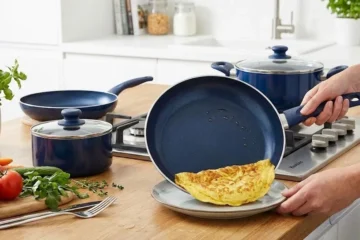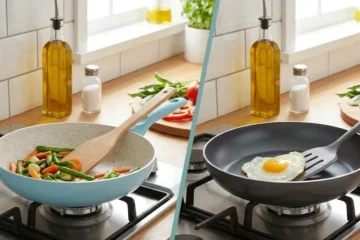
Cooking is more than just a chore; for many of us, it is a way to show love to our families. But lately, there is a worry lingering in kitchens everywhere. We have all heard the scary stories about traditional nonstick pans and toxic fumes. That is why so many people are switching to colorful, shiny ceramic pans. But it begs the big question: is ceramic nonstick healthy, or is it just another marketing trend?
If you are standing in the cookware aisle confused by labels like “Green,” “Eco-friendly,” and “PFOA-free,” you are not alone. In this post, we are going to break down exactly what ceramic cookware is, whether it is safe for your food, and how it stacks up against the competition.
What Exactly Is Ceramic Nonstick Cookware?
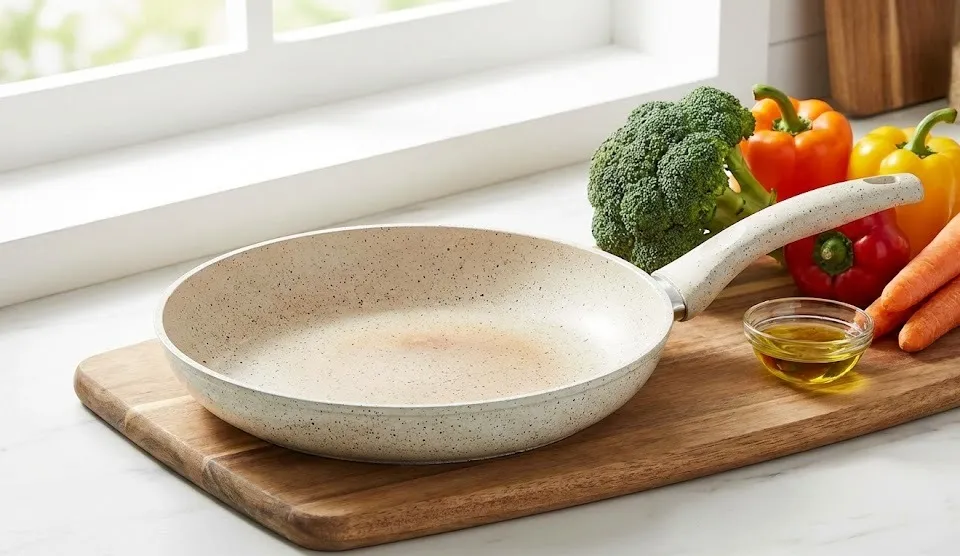
Before we answer the question of health, we need to understand what we are actually cooking on.
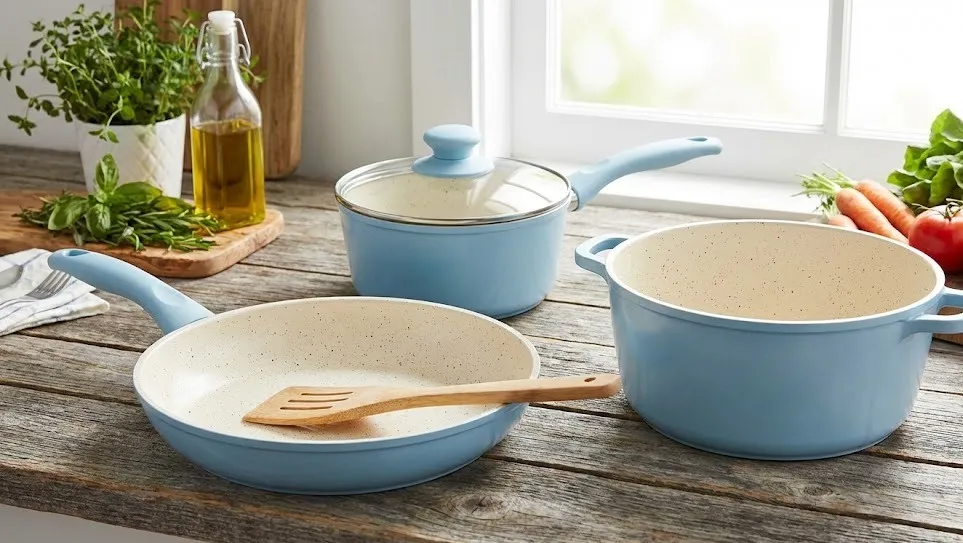
When you hear “ceramic,” you might think of a clay pot or your favorite coffee mug. However, ceramic nonstick frying pans are not made of solid clay. If they were, they would shatter the moment you dropped them!
Instead, these pans are usually made of metal, typically aluminum or stainless steel and then sprayed with a special coating. This coating is made from inorganic minerals, primarily silicon (derived from sand), using a technology called “Sol-Gel.” When this coating is cured in an oven, it becomes a hard, glossy surface that mimics ceramic.
So, when you ask is ceramic nonstick healthy, you are really asking about the safety of this silicon-based coating.
The Big Question: Is Ceramic Nonstick Healthy?
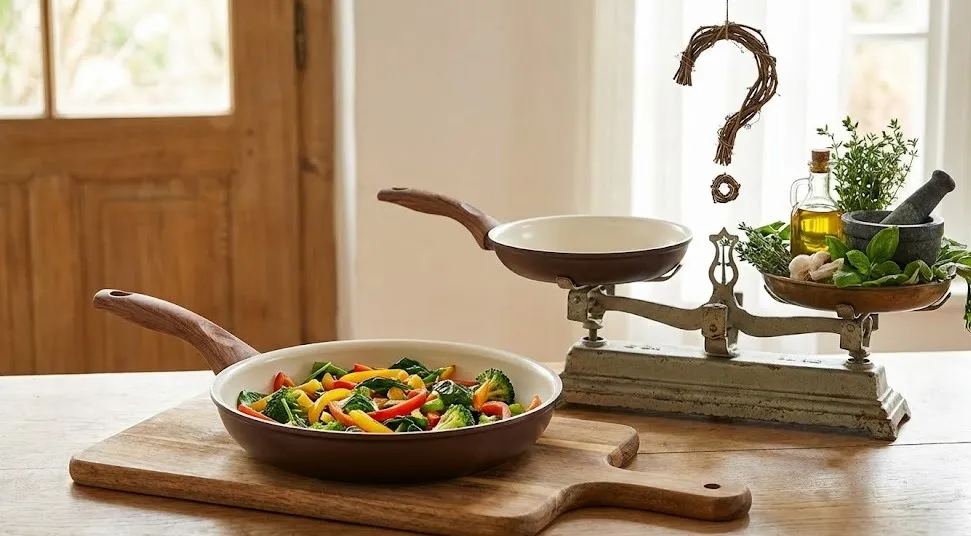
The short answer is yes. Generally speaking, ceramic nonstick cookware is considered a safe and healthy option for home cooks.
Here is why ceramic is winning the health debate:
1. Free from PTFE and PFOA
For years, the standard for nonstick was Teflon (PTFE). While modern Teflon is safer than it used to be, older versions contained PFOA, a chemical linked to various health issues. Ceramic coatings are naturally free from both PTFE and PFOA. They do not rely on these synthetic chemicals to make your eggs slide off the pan. This is the biggest reason health-conscious cooks choose ceramic.
2. High Heat Tolerance
One of the scary things about traditional chemical nonstick pans is that if you accidentally overheat them (above 500°F or 260°C), the coating can begin to break down and release toxic fumes. This can cause flu-like symptoms in humans and can be fatal to pet birds. Ceramic coatings can generally withstand higher temperatures (often up to 800°F) without releasing toxic fumes. While we don’t recommend blasting your pan with high heat (it ruins the nonstick ability), it is comforting to know that an accidental overheat won’t fill your kitchen with toxins.
3. Non-Reactive Material
The silicon coating is chemically inert. This means it won’t react with acidic foods like tomato sauce or lemon juice. Some bare metals, like copper or uncoated aluminum, can leach a metallic taste into acidic food. With ceramic, your food tastes exactly how it should.
My Experience with Ceramic
I remember throwing out my old, scratched-up Teflon pans a few years ago. I was terrified of the flaking black bits ending up in my pasta. I bought a beautiful cream-colored ceramic set. The peace of mind was immediate. I wasn’t worried about “forever chemicals” leaching into my kids’ dinner.
However, there is a catch that manufacturers don’t always tell you in the bold print. While the answer to “is ceramic nonstick healthy” is yes, the longevity of that health benefit depends on how you treat the pan.
Potential Downsides: It’s Not All Perfect
To give you an honest review, we have to look at the cons. Being healthy doesn’t always mean it is indestructible.
- The Durability Issue: Ceramic coatings are brittle. Over time, the nonstick properties fade much faster than traditional chemical coatings. If you use metal utensils or the dishwasher, microscopic cracks can form.
- What Happens if You Eat the Coating? If your ceramic pan chips, is it dangerous? Generally, no. Since the coating is basically silica (sand), ingesting a tiny flake isn’t toxic in the same way consuming chemical flakes might be. However, once a pan is chipped, you should replace it because the exposed metal underneath might react with your food.
- The “Sol-Gel” Mystery: While most ceramic coatings are safe, some cheaper brands might use glazes that contain lead or cadmium to achieve bright colors. To ensure the answer to “is ceramic nonstick healthy” remains a solid yes, always buy from reputable brands that certify their products are lead and cadmium-free.
Ceramic vs. The Competition
How does ceramic compare to other healthy options?
Ceramic vs. Teflon (Traditional Nonstick)
- Health: Ceramic wins. It has no PTFEs.
- Performance: Teflon often stays slippery longer.
- Verdict: If safety is your #1 priority, pick ceramic.
Ceramic vs. Cast Iron
- Health: Both are very healthy. Cast iron can even add a little iron to your diet.
- Ease of Use: Ceramic wins for convenience. Cast iron requires seasoning and is very heavy.
- Verdict: Use ceramic for eggs and pancakes; use cast iron for searing steaks.
Ceramic vs. Stainless Steel
- Health: Both are safe and non-toxic.
- Cooking: Stainless steel is sticky. You need a lot of oil or skill to cook delicate foods like fish.
- Verdict: Ceramic is much better for low-fat cooking.
Tips to Keep Your Ceramic Pan Healthy (And Lasting Longer)
You’ve invested in your health, so protect your investment. Many people claim ceramic pans are “trash” after six months, but that is usually because they treat them like metal pans.
Follow these simple rules:
- Skip the Metal: Never use metal spatulas or forks. Use wood or silicone only. Even a small scratch can ruin the coating.
- Hand Wash Only: The dishwasher is the enemy. The high heat and harsh detergents wear down the nonstick layer very quickly. A soft sponge and warm soapy water are all you need.
- Low to Medium Heat: Just because the pan can handle high heat doesn’t mean it should. High heat carbonizes oil, creating a sticky layer that ruins the nonstick effect. Cook on low or medium.
- Use Oil or Butter: Don’t use nonstick cooking sprays (like Pam). They contain additives that build up on ceramic and are impossible to scrub off. Use real butter or olive oil.
- Let it Cool: Never put a hot pan directly under cold water. The thermal shock can warp the metal and crack the ceramic coating.
Final Thoughts: Is It Worth the Switch?
So, is ceramic nonstick healthy enough to warrant a kitchen overhaul?
Absolutely. If you are trying to minimize toxins in your home and want an easy-to-clean option for your morning eggs, ceramic is a fantastic choice. It bridges the gap between the safety of cast iron and the convenience of traditional nonstick.
It is not a “buy it for life” item, you will likely need to replace it every couple of years but for the time you have it, it offers a safe, chemical-free cooking surface. Just remember to buy from a trusted brand to ensure no lead or cadmium is present, and treat the pan with a little gentleness.
Cooking healthy food starts with healthy ingredients, but it ends with the surface you cook them on. Making the switch to ceramic is a small step that can make a big difference in your peace of mind.